
Quick Verdict
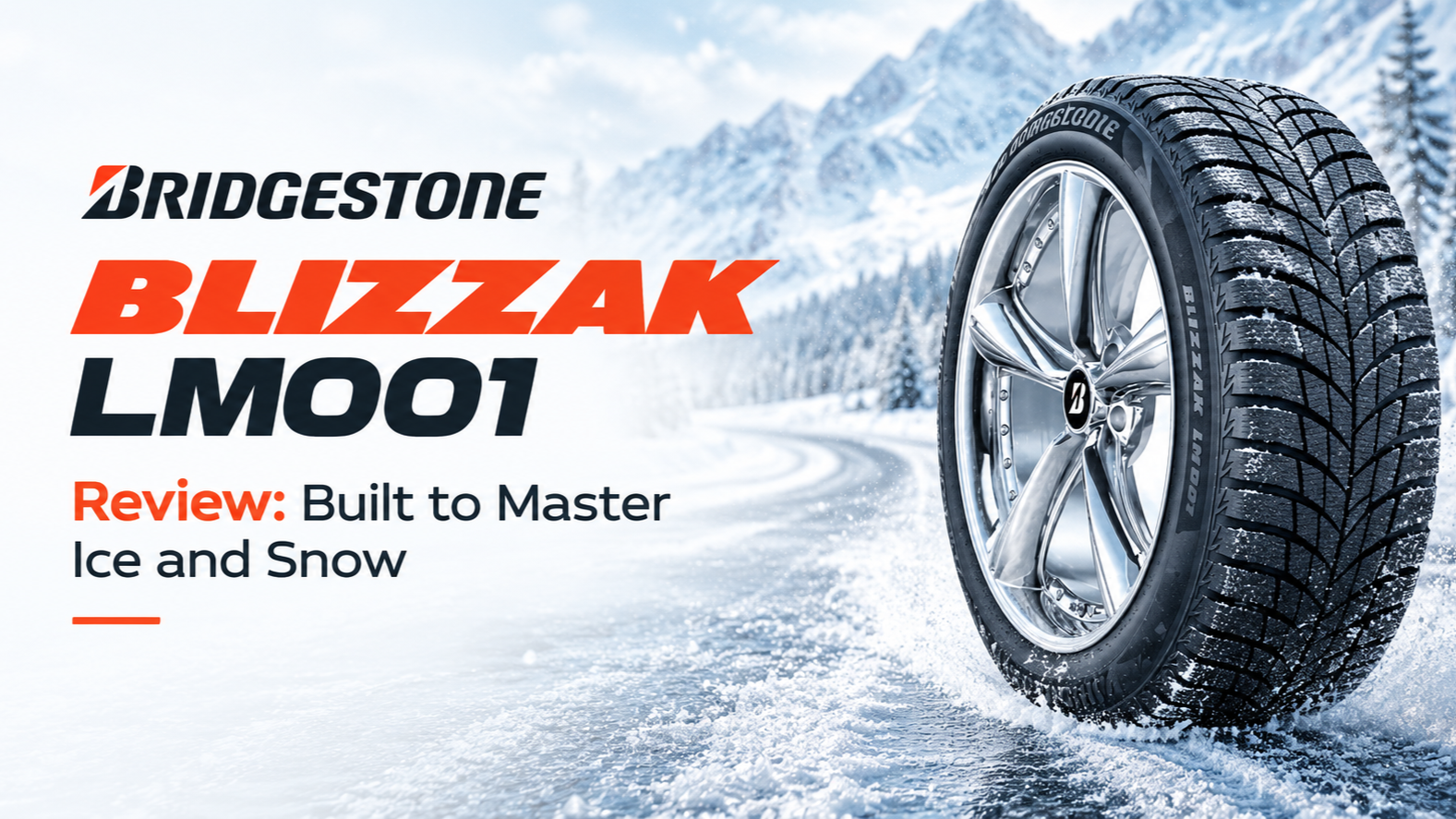
The Bridgestone Blizzak LM001 is a performance winter tire built for sports sedans and coupes, and its Multi-Cell compound delivers class-leading ice grip, not just marketing claims. The trade-offs are real too: no mileage warranty, shorter tread life than some rivals, and a premium price.
Good for: performance sedan and coupe owners in regions with real ice and packed snow who refuse to give up handling feel just because winter arrived.
Advantages
- Class-leading ice traction thanks to the Multi-Cell compound's water-absorbing pores
- Dry handling that feels closer to a performance tire than most winter rubber
- Strong cold-weather wet braking from the NanoPro-Tech silica compound
- Quiet, composed ride in standard sedan and coupe sizes
- OEM-grade engineering, factory-fit on select BMW, Audi, and Mercedes-Benz models
Disadvantages
- No mileage warranty, only a 5-year materials and workmanship guarantee
- Shorter tread life than rivals like the Michelin X-Ice Snow, typically 15,000 to 25,000 miles
- Premium price, among the most expensive performance winter tires available
- Noise can get noticeably worse on wide, low-profile fitments
- Roughly a 3 to 5 percent fuel economy penalty versus a summer or all-season set
-
Dry Performance
-
Wet Performance
-
Snow & Ice
-
Ride Comfort & Noise
-
Tread Life
-
Fuel Efficiency
-
Value for Money
Black ice on an overpass, packed snow on a mountain pass, a freezing commute that turns dangerous the moment temperatures drop: this is exactly the scenario the Bridgestone Blizzak LM001 was built to handle. This Bridgestone Blizzak LM001 review pulls from real driver experiences, owner forums, and independent test results.
The short answer: on ice, yes, it really is that good. The Multi-Cell compound is real engineering, and owners notice the difference from their first winter drive. The trade-offs are shorter tread life and a premium price, and most drivers who put winter safety first find those easy to accept.
Bridgestone Blizzak LM001 Key Specs
| Spec | Detail |
|---|---|
| Tire type | Performance winter, studless ice and snow |
| Season | Winter only, best performance below 45°F (7°C) |
| 3PMSF certified | Yes |
| Speed ratings | H, T, V, W, depending on size |
| Rim sizes | 14 to 21 inches, 216 total sizes |
| UTQG rating | Not rated, standard for winter tires |
| Tread warranty | No mileage warranty; 5-year materials and workmanship warranty, free replacement in the first 3 years |
| Price range | Roughly $135 to $200+ per tire |
| Run-flat version | Yes, sold separately as the Blizzak LM001 RFT |
| Vehicle fitment | Sedans, coupes, sports cars, select CUVs. OEM on select BMW, Audi, and Mercedes-Benz models |
One thing to know before you shop: the LM001 has been replaced in some markets by the LM001 EVO and LM005. The original LM001 is still widely stocked at major retailers, and the Multi-Cell technology underneath it still holds up against newer tires.
What Makes the Bridgestone Blizzak LM001 Different
The headline technology is Bridgestone’s Multi-Cell compound. Microscopic pores in the tread rubber soak up the thin film of water that sits on top of ice, so the rubber grips a drier surface instead of skating across a wet one. That’s the real reason this tire holds up on sheer ice. It’s chemistry, not just tread pattern.
The NanoPro-Tech silica compound does the heavy lifting on cold wet pavement. It stays flexible well below freezing, so when a conventional all-season compound has gone stiff and lost grip, the LM001 is still biting into the road.

That flexibility is also why the tire holds its composure on dry roads better than most dedicated winter tires, which tend to feel vague and soft once the temperature drops.
The tread itself uses 3D Zigzag Sipes that interlock under load to resist block squirm during hard cornering and braking on ice. Serrated shoulder blocks bite into packed snow ruts, and a directional V-pattern pushes slush and loose snow backward out of the contact patch.
Put it together and you get a tire built around ice and snow first, with dry and wet grip as a close second, not an afterthought.
Bridgestone Blizzak LM001 Review: Performance Breakdown
Here’s how it performs in every condition you’ll actually face in winter, based on owner reports and test data.
Dry Performance
Most dedicated winter tires feel soft and vague on dry pavement. The LM001 is a clear exception. Owners consistently describe steering that feels crisp and responsive for a winter tire, with braking distances on cold dry roads among the better results in the category.
Forum users on VW Vortex who compared it directly to the softer Blizzak WS80 noted the LM001 feels more like a performance tire on cleared roads, not sacrificing feel to get snow grip. It won’t match a quality summer tire on warm tarmac, but for a winter tire, dry composure is a genuine strength here.
Wet Performance
Cold wet roads are where the LM001 separates itself from both budget winter tires and older all-season compounds. The NanoPro-Tech silica stays flexible at low temperatures, which is the key to short stopping distances on wet asphalt when a conventional compound has already gone hard from the cold.
Wide circumferential grooves and vari-width sipes evacuate water quickly, and hydroplaning is rarely reported as a concern. Drivers in rainy climates report high confidence through corners and under hard braking on cold wet mornings.
Snow and Ice Performance
This is where the tire earns its name. One owner in Flagstaff, Arizona, driving at 7,300 feet with 70 to 90 inches of snow a year, said that across three different vehicles and multiple winters, Blizzaks kept coming out on top, both in his own research and on the actual road.
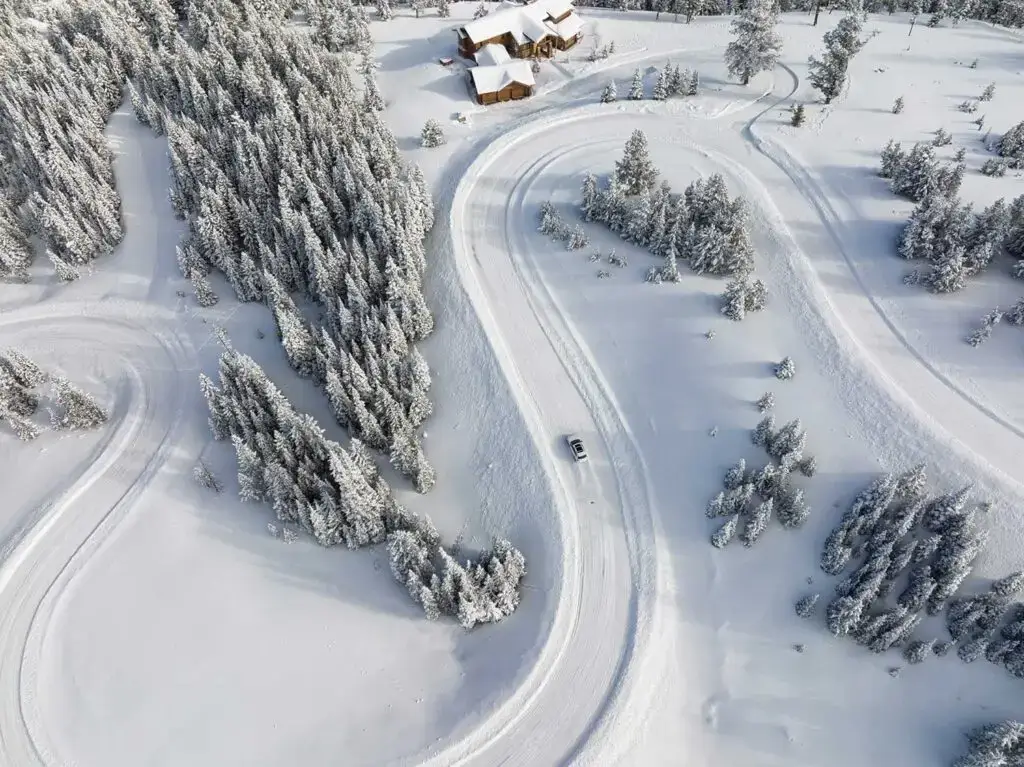
Another owner running the LM001 on a Ford Mustang Mach-E in northeast Ohio called it great and strongly recommended it, even on a high-torque EV platform. A Volkswagen Passat owner who ran the tire for three winters across 17,500 km reported all four tires still above 5mm tread depth, with consistent snow and ice reliability throughout.
For packed snow and glazed ice, this tire sits near the top of what’s available without metal studs.
Ride Comfort and Noise
Comfort is strong in standard sedan sizes. Drivers running this tire on BMW X7 and 5 Series fitments consistently rate comfort and noise at 9 or 10 out of 10, and at highway speeds the LM001 is noticeably quieter than budget winter tires.
It’s not flawless, though. A fair number of owners mention more road noise on coarser surfaces, especially on milder winter days. One owner on an unusually wide 295/30 R20 Aston Martin fitment found the noise hard to live with, along with roughly a 9 percent jump in fuel use.
That looks like an outlier tied to that specific wide, low-profile size rather than how the tire normally behaves. Most owners in standard touring sizes won’t notice anything close to that.
Tread Life
This is the LM001’s most discussed limitation, and it comes down to simple chemistry: the soft, porous compound that delivers ice grip is the same compound that wears faster than harder alternatives. A realistic expectation is 15,000 to 25,000 miles of dedicated winter use across three to four seasons.
Bridgestone doesn’t back it with a mileage warranty, only the 5-year materials and workmanship coverage with free replacement for defects in the first three years. This is standard for performance winter tires, but it’s worth knowing if you’re comparing it to a rival like the Michelin X-Ice Snow that does include a mileage warranty.
Regular rotations, correct inflation, and pulling the tires off before spring will maximize what you get from a set.
Fuel Efficiency
Rolling resistance runs higher than a summer or all-season tire, as it does with any dedicated winter tire. Most owners in standard sedan sizes report a fuel consumption increase of roughly 3 to 5 percent compared to their summer set. Bridgestone’s NanoPro-Tech polymer design is specifically meant to limit internal friction within the compound, which keeps that efficiency penalty from being worse than older winter tire generations.
Value for Money
At $135 to $200+ per tire, the LM001 sits firmly in the premium tier. You’re paying for real engineering, a trusted brand, and ice traction that cheaper tires can’t replicate.
The lack of a mileage warranty stings at this price, and some owners feel rivals like the Michelin X-Ice Snow offer better longevity per dollar. Still, for drivers in serious winter climates, the extra confidence on ice over an all-season or budget winter tire is hard to put a price on.
What Owners Actually Say
A Flagstaff, Arizona driver who put this tire through 7,300 feet of elevation and 70 to 90 inches of annual snowfall, across three different vehicles, kept picking Blizzaks over anything else.
A Mustang Mach-E owner in northeast Ohio said the tire handled a high-torque EV with confidence in winter conditions where traction control usually has to work overtime. A VW Passat owner ran the tire for three winters and 17,500 km and reported even wear, with all four tires still above 5mm of depth, a strong result for a tire known for wearing fast.
The complaints follow a pattern too: the Aston Martin owner whose wide, low-profile fitment made noise and fuel use worse than expected, and a general chorus of owners pointing out that without a mileage warranty, coming up short on tread life stings more than it would on a tire Bridgestone actually stands behind.
When to Mount and Remove the LM001
The soft winter compound wears quickly above 45°F (7°C), and handling on warm pavement drops well below what a summer or all-season tire delivers. Treat this as a strictly seasonal tire: mount it once daily lows consistently sit below 45°F, and pull it before spring temperatures climb back above that line.
Running it into warmer weather both shortens tread life dramatically and creates a real safety risk, since the compound that grips ice so well is simultaneously too soft for warm, dry roads. For a deeper breakdown of how winter and all-weather ratings actually differ, our all-season vs all-weather tires guide is worth a read before you decide between a dedicated winter set and a single year-round tire.
Who Should Buy the Bridgestone Blizzak LM001
The performance car owner who faces real winters. You drive a BMW, Audi, Mercedes, or sports sedan and refuse to sacrifice handling feel just because snow arrived. The LM001 keeps the car feeling like itself on cold, cleared roads while adding ice grip your all-seasons can’t provide, which is exactly why it’s OEM on select vehicles from all three of those brands.
The mountain commuter or heavy snowbelt driver. You deal with black ice on overpasses and serious snowfall on a regular basis. Owners in high-elevation, high-snowfall areas consistently rank this tire at the top of their research, and real-world results back that up.
The safety-first city driver on icy roads. Your roads are mostly plowed, but icy patches and freezing rain happen regularly. The shorter braking distances this tire delivers compared to all-seasons are a genuine safety upgrade.
If your winters are mild enough that frost and the occasional flurry are as bad as it gets, a dedicated winter tire may be more than you need. Our Michelin Primacy Tour A/S review covers a strong all-season alternative for exactly that climate.
And once spring arrives and it’s time to swap back, our Bridgestone Turanza T005 review and Bridgestone Dueler A/T review cover two of Bridgestone’s warm-weather options worth cross-shopping, depending on whether you drive a sedan or something higher-riding.
Alternatives to the Bridgestone Blizzak LM001
Michelin Pilot Alpin PA4 (~$150 to $220+ per tire)
The most direct head-to-head competitor, though it’s worth knowing the PA4 has already been succeeded in Michelin’s own lineup by the Pilot Alpin 5, which won the ADAC Winter Tyre Test in 2020 and improves on the PA4’s braking and snow handling.
Between the two Michelins, the PA4 often earns slightly higher marks for dry handling precision, while the LM001 typically edges both out for outright ice braking. If dry handling feel is your top priority and ice isn’t the dominant concern where you live, either Pilot Alpin generation is worth a close look at a similar price point.
Pirelli Winter Sottozero 3 (~$130 to $210+ per tire)
A strong alternative with a sportier character and excellent dry and wet road performance, co-developed with several premium and prestige automakers. Many drivers find it more engaging to drive on cleared winter roads than the LM001.
The Bridgestone still pulls ahead on sheer ice, where the Multi-Cell compound gives it a meaningful grip advantage. If your winters involve more cold rain and cleared roads than glazed ice, the Sottozero 3 deserves serious consideration.
Bridgestone Blizzak WS90 (~$100 to $160 per tire)
Bridgestone’s own softer alternative within the Blizzak family, built around deep unpacked snow rather than ice or cleared-road performance. It may hold a slight edge in heavy snowfall but feels less precise and responsive on dry and lightly wet roads. It also costs less, making it a better value pick for drivers who don’t need the LM001’s performance character.
Frequently Asked Questions
Is the Bridgestone Blizzak LM001 good on ice? Yes, it’s one of the best studless tires for ice specifically. The Multi-Cell compound’s microscopic pores absorb the thin water film that forms on top of ice, giving the rubber a drier surface to grip, and braking distances on sheer ice are significantly shorter than all-season or budget winter tires.
How long do Bridgestone Blizzak LM001 tires last? With regular rotations and correct inflation, most owners get 15,000 to 25,000 miles of winter use across three to four seasons. Bridgestone doesn’t offer a mileage warranty on this tire, so storing it off the vehicle during warmer months extends its usable life considerably.
Can I use the Bridgestone Blizzak LM001 year-round? No. The soft compound wears quickly above 45°F (7°C) and handling on warm pavement drops well below what an all-season tire delivers. Mount it once temperatures consistently drop below 45°F and remove it before spring.
How does the LM001 compare to the Blizzak WS90? The LM001 is the sportier, performance-oriented option, with better dry and cold-wet handling response for drivers who want to retain steering feel on cleared winter roads. The WS90 uses a softer compound aimed at deep unpacked snow and may hold a slight edge there, but feels less precise on dry or cleared roads.
Does the Bridgestone Blizzak LM001 have a tread life warranty? Not a mileage-based one. Bridgestone covers it with a 5-year materials and workmanship warranty, including free replacement for defects within the first three years, but there’s no guaranteed tread mileage, which is standard for this category.
What vehicles fit the Bridgestone Blizzak LM001? It’s designed primarily for performance sedans, coupes, and sports cars, and is OEM equipment on select BMW, Audi, and Mercedes-Benz vehicles. With 216 available sizes across 14 to 21 inch rims, it also fits many mainstream sedans from Honda, Toyota, Nissan, and Lexus. Always confirm the exact size for your vehicle before ordering.
Bridgestone Blizzak LM001 Review: Final Verdict
The Bridgestone Blizzak LM001 is the tire to fit when winter roads actually worry you. The Multi-Cell compound isn’t a marketing gimmick, it makes a real, noticeable difference on black ice and packed snow, and that difference is what separates this tire from cheaper alternatives.
Ice traction and cold-weather wet braking are its strongest suits, and on both counts it earns a place among the best studless winter tires available.
The trade-offs are real: no mileage warranty, shorter tread life than some rivals, and noise that can become pronounced in wider, low-profile fitments. You’ll also pay a premium price for all of it.
Buy it if: you own a performance sedan or coupe, live where ice and snow are a real seasonal threat, and want a tire that keeps your car feeling competent rather than just surviving winter. Skip it if: tread longevity and a mileage warranty matter more to you than outright ice grip, or your winters are mild enough that a good all-season tire will cover you.