Quick Verdict
A well-rounded, long-lasting everyday tire that excels in wet safety and tread life with minor trade-offs in ride comfort and noise as it wears. Best for city commuters, family sedan drivers and high-mileage daily drivers in warm climates
The Good
- Outstanding wet braking: Michelin-tested data and real owner feedback both confirm short stopping distances in wet conditions, even as the tire wears down.
- Exceptional tread life: Consistently outpaces competitors. Most owners easily achieve 60,000 to 90,000+ km before replacement.
- Sidewall durability: Ironflex technology makes a real difference on pothole-heavy city roads. Fewer sidewall bubbles and failures reported.
- Consistent performance over tire life: Unlike most tires, both grip and safety hold up well even when the tread is getting thin.
- Fuel-saving compound: Silica-based tread reduces rolling resistance and most owners report a small but noticeable improvement at the fuel pump.
- Wide size range: 36 sizes from 13
The Bad
- Noise increases with wear: Multiple owners flag a rise in road noise as the tire wears, which some find annoying well before the tread is gone.
- Ride can feel firm on rough roads: On broken or uneven surfaces, some drivers find the XM2+ noticeably harsher than softer-compound rivals like the Continental CC6.
- No cold or winter capability: A pure summer tire. Not appropriate for temperatures below 7°C or any snow/ice conditions.
- Premium price: It costs significantly more upfront than Bridgestone or Dunlop alternatives, which can be a barrier even if the long-term value is there.
- Performance varies by vehicle weight: Owners of heavier cars or SUVs report slightly less impressive results than lighter sedan drivers. Best matched with A and B segment cars.
-
Dry Performance8.0
-
Wet Performance8.5
-
Ride comfort6.5
-
Road Noise6.5
-
Tread Life9.0
-
Fuel Efficiency7.5
-
Value for Money7.5
If you drive a Toyota Corolla, Honda City, Nissan Almera or any similar family sedan in a warm climate, you have probably come across the Michelin Energy XM2+ review at some point. It keeps coming up in tire shop recommendations, owner communities and online forums across Southeast Asia, the Middle East and beyond.
The reason is simple. This tire punches well above its price point. It was built to last longer, stop shorter in the wet and save you a little fuel along the way. For the average driver covering city roads and motorway stretches every day, those three things matter more than almost anything else.
The short answer: the Michelin Energy XM2+ is one of the best-value choices in the premium touring segment for drivers in warm climates. It is not the quietest tire on the market and it is not cheap. But in wet safety and tread life, it is genuinely hard to beat at this price.
Michelin Energy XM2+: Key Specs at a Glance
| Spec | Details |
|---|---|
| Tire Type | Premium Touring Summer |
| Season | Summer (not suitable below 7°C) |
| Size Range | 13″ to 16″ diameter, 36 sizes available (e.g. 175/65R14, 185/65R15, 195/65R15, 205/55R16) |
| Speed Rating | H (130 mph) and V (149 mph) depending on size |
| UTQG Rating | Not publicly disclosed for all markets |
| Tread Life | ~57,000–75,000 miles (real-world owner average) |
| Warranty | 6-year Michelin satisfaction guarantee + 30-day money-back (varies by retailer) |
| EU Label (205/55R16) | Fuel: C, Wet: B, Noise: 67dB |
| Vehicle Fitment | Passenger cars (Toyota, Honda, Nissan, Hyundai, Mitsubishi, Proton, Perodua) |
| Price Range | ~$120–$160 per tire |
| Markets | Southeast Asia, Middle East, Oceania, South America, East Asia |
Michelin Energy XM2+: Technology & Construction
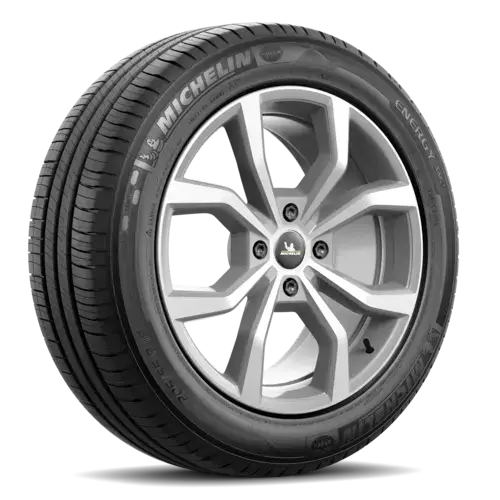
Full Silica Compound – Grip That Lasts
The XM2+ uses a new-generation full silica tread compound. Silica bonds more tightly to the other rubber particles inside the tire which means two things for you: better wet grip throughout the tire’s life and slower tread wear. Most tires get noticeably worse in the wet as they wear down. Michelin’s compound is designed to slow that decline which is why their tested wet braking advantage actually grows as the tire wears. Stopping 10.6 metres shorter when worn compared to 4.9 metres when new against the tested average of premium rivals.
Ironflex Technology – Sidewall Protection for Real Roads
City roads in most warm-climate markets are rough. Potholes, broken kerbs, speed bumps, your sidewalls take a beating. Michelin built high-strength reinforcing threads into the tire’s carcass that flex under sudden impact and quickly redistribute the load across the whole sidewall. In plain terms, this means a lower risk of getting a sidewall bubble or blowout from a bad pothole hit and more peace of mind on imperfect roads.
Variable Depth Sipes and Asymmetric Tread Pattern
The tread pattern uses an asymmetric design. The inner and outer sections are different shapes. The outer blocks are stiffer for dry cornering grip. The inner blocks have more sipe cuts and void channels to dispel water quickly. The sipes vary in depth across the tread so as the tire wears down, fresh water channels are still available near the contact patch. This is why the wet performance holds up better than most competitors as the tire ages.
Michelin Energy XM2+ Performance Breakdown
Dry Performance
On dry roads, the XM2+ feels confident and planted. The stiffer outer tread blocks give you a solid steering response for a touring tire. You are not going to mistake it for a performance tire but for urban driving, roundabouts and motorway lanes, it grips cleanly and tracks straight. Multiple owners driving Toyota Wish, Honda Fit and Proton Saga reported that braking on dry roads improved noticeably compared to budget tires they had before.
Where dry performance gets a little shaky is in hard, aggressive cornering. The tire does not quite have the lateral grip of a performance-oriented product. It is a touring tire not a sport tire so that is expected. But it is worth knowing if you like to push through corners.
Wet Performance
This is where the XM2+ earns its reputation. Michelin’s own testing conducted by independent lab CATARC, shows it stops 4.9 metres shorter when new and 10.6 metres shorter when worn compared to the tested average of five premium rivals: Bridgestone Ecopia EP150, Goodyear Assurance TripleMax, Continental ComfortContact CC6, Dunlop SP Touring R1 and Hankook Enfren H430. Owner feedback backs this up with drivers repeatedly describing hydroplaning resistance as a standout strength.
It is worth noting that one dissatisfied owner on a Toyota Corolla Altis (205/55 R16) reported skidding on slightly wet roads after 10,000 km. This appears to be an outlier compared to the broader pattern of reviews but it does suggest some variation between individual sets or fitment conditions.
Snow and Ice Performance
The Energy XM2+ is a summer tire and is explicitly not designed for use below 7°C. It is not rated for snow or ice. If you live in a region with real winters you need a separate winter or all-season tire. That said, a handful of owners have reported adequate performance in light frost. One driver in Central Asia used them through a mild winter and said they held up in cold rain and occasional light frost. Do not treat this as a recommendation for cold-weather use.
Ride Comfort and Noise
This is the most divided category in owner feedback. When new, most drivers describe the XM2+ as smooth and quiet enough for daily driving. A driver who had previously fitted budget Atlas tires specifically mentioned how much cabin noise dropped after switching to the XM2+.
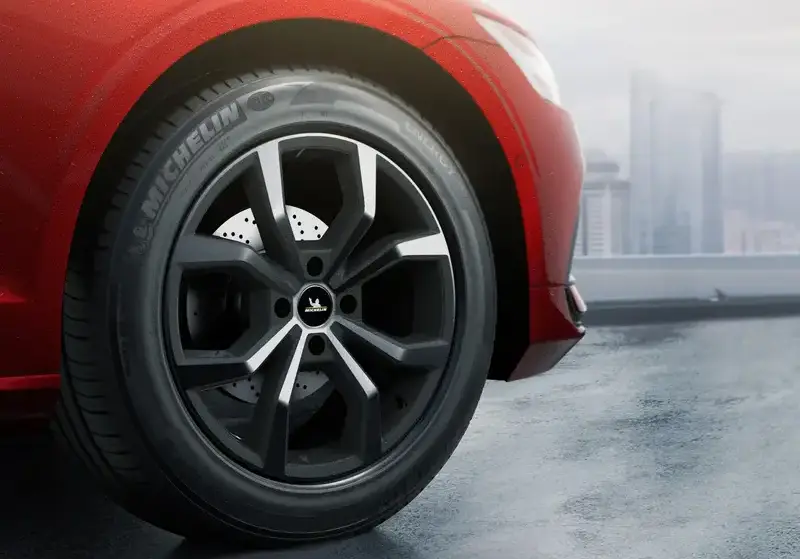
The honest caveat: noise increases as the tire wears and for some drivers on rougher roads it becomes noticeable well before the tread is gone. Two owners compared it unfavourably to the Continental CC6 and Bridgestone Ecopia 300 for ride harshness calling it firm over road imperfections. This appears most pronounced on heavier vehicles and rougher road surfaces. The XM2+ suits lighter, smaller cars better than heavier sedans or SUVs.
Tread Life
Long tread life is arguably the XM2+’s strongest real-world selling point. Michelin claims 25% more mileage than tested premium competitors. User data across 55 reviews averages a predicted mileage of around 57,600 miles (roughly 92,000 km). Multiple owners have comfortably exceeded 60,000 km on a single set. A Toyota Estima owner running mostly town driving reported around 90,000 miles before replacement. For cost-conscious buyers calculating total cost of ownership that longevity makes the higher upfront price worthwhile.
Fuel Efficiency
The Green X designation on the sidewall signals a low-rolling-resistance design and most owners report a small but real improvement in fuel economy. The full silica compound generates less internal heat as it rolls which directly reduces the energy lost to friction. One owner in Australia specifically noted gaining around 50 extra kilometres per tank after fitting the XM2+.
The EU label rating for the 205/55R16 size is a “C” for fuel efficiency sitting in the middle of the scale. You will not see dramatic savings compared to top-tier eco tires but the XM2+ does not hurt your mileage the way some budget tires do.
Value for Money
The XM2+ is not cheap. Compared to the Bridgestone Ecopia EP300. It is typically around 30–40% more expensive. But that premium buys you a meaningful edge in wet braking safety and tread life. If you calculate cost-per-kilometre driven, the XM2+ often works out competitively or even cheaper because of how long it lasts.
For drivers in Houston, Miami, Atlanta, New Orleans or any city with hot, wet roads and heavy traffic, the case for paying a little more is straightforward. The investment in shorter stopping distances on a rainy road is not abstract. It can genuinely prevent accidents.
Who Should Buy the Michelin Energy XM2+?
1. The High-Mileage City Commuter
If you are driving 30,000–50,000 km per year in a Toyota Corolla, Honda City or Nissan Almera through urban traffic and wet roads, the XM2+ is purpose-built for you. The combination of long tread life and reliable wet braking means fewer tire changes, a lower cost per kilometre and real safety margins on rain-soaked city roads.
2. The Safety-First Family Driver
Parents who do school runs, weekend trips and unpredictable weather need to know their car stops when they need it to. The XM2+’s wet braking data is the best in its class at this price. For a family car carrying passengers regularly that peace of mind is worth paying for.
3. The Cost-Per-Kilometre Calculator
If you think about tires as a long-term investment rather than an upfront expense, the XM2+ makes financial sense. Pay more now, replace less often and spend less on tires over three to four years of ownership. The math usually works in your favour.
Alternatives to the Michelin Energy XM2+
1. Bridgestone Ecopia EP150 (~$115 to $135 per tire)
The Bridgestone Ecopia EP150 uses Nano Pro Tech silica bonding and is generally considered quieter and more comfortable than the XM2+. However, it typically gives up ground in wet braking and tread life comparisons. Buyers who prioritise cabin quietness over safety performance may prefer it but for overall balance, the XM2+ comes out ahead in most real-world use cases. The EP150 is also available in a 17″ size if that matters for your vehicle.
2. Goodyear Assurance TripleMax 2 (~$70 to $110 per tire)
Goodyear’s answer to the XM2+ in Asian markets. The TripleMax 2 performs well in wet conditions and is a direct competitor Michelin uses in its own comparison testing. In independent reviews, it generally trails the XM2+ in tread longevity but offers a slightly more compliant and quieter ride when new. Worth considering if comfort ranks highest and you do not mind replacing tires a little sooner.
3. Continental ComfortContact CC6 (~$80 to $100 per tire)
The CC6 wins on ride comfort and cabin quietness. Several owners who switched away from it to the XM2+ specifically missed those qualities. If you drive on well-maintained roads and comfort matters most, the CC6 is a legitimate alternative. But if you deal with potholes, rain and demanding city roads regularly, the XM2+ is the safer and more durable choice.
Michelin Energy XM2+: Final Rating and Verdict
The Michelin Energy XM2+ review conclusion is straightforward. This is a tire that does the most important things very well. It grips in the wet, lasts a long time and protects you from the pothole damage that ruins less well-built tires. The trade-offs, a slightly firmer ride and some noise build-up over time are real but manageable for most everyday drivers.
If you drive a family sedan or compact car in a warm, wet climate, work your car hard in city traffic and want a tire you can trust across its full lifespan. The Michelin Energy XM2+ belongs near the top of your shortlist. It is not the cheapest option at the counter but it is likely the cheapest option per kilometre driven.
Buy it if: you need a safe, long-lasting everyday tire for warm, wet conditions and want real value over the tire’s full life. Look elsewhere if: you live somewhere with cold winters, want the softest and quietest ride in the class or drive a heavier vehicle where grip demands are higher.
Frequently Asked Questions: Michelin Energy XM2+
How long does the Michelin Energy XM2+ last?
Based on user review data across 55 owners, the average expected mileage is around 57,000–60,000 miles (approximately 90,000–100,000 km). Some lighter-footed drivers report well over 75,000 km. Driving style, road conditions and inflation management all affect the outcome. Regular rotations and correct inflation will help you reach the top end of that range.
Is the Michelin Energy XM2+ good in wet conditions?
Yes, it is one of the strongest in its class for wet performance. Independent testing conducted by CATARC shows it stops 4.9 metres shorter when new and 10.6 metres shorter when worn compared to the average of five tested premium competitors. Real owner feedback broadly confirms this with hydroplaning resistance consistently highlighted as a standout strength across dozens of reviews.
What is the difference between the Michelin Energy XM2 and XM2+?
The XM2+ is the updated successor launched around 2019–2020. It uses a new full silica tread compound that improves wet braking and extends tread life compared to the original XM2. The tread pattern looks similar from the outside but the rubber compound is fundamentally different which is why the wet and wear performance numbers improved significantly over its predecessor.
Is the Michelin Energy XM2+ noisy?
When new, most owners describe it as acceptably quiet for a touring tire. As it wears, road noise does increase and this is one of the more common complaints in owner reviews. Compared to the Continental CC6 in particular, most drivers agree the XM2+ is slightly noisier. This is worth knowing if you spend long hours on the motorway and cabin quietness is a priority for you.
What cars does the Michelin Energy XM2+ fit?
The XM2+ covers 36 sizes from 13″ to 16″ diameter, making it compatible with a wide range of common passenger cars including the Toyota Corolla, Toyota Wish, Honda Jazz/City, Nissan Almera, Hyundai Elantra, Mitsubishi Lancer and most Proton and Perodua models with 14″–16″ wheels. Always cross-reference the size printed on your existing tires or in your vehicle handbook before purchasing.