Gas prices go up and down, but your tires quietly affect your mileage every single day. Picking the best tires for fuel economy will not turn your SUV into a hybrid, but it can put real money back in your pocket over the life of a tire. Below, we break down whether these tires actually work, then get into the top 8 picks worth buying right now.
Quick Answer: Best Tires for Fuel Economy by Category
- Best overall for sedans: Michelin Energy Saver A/S
- Best all-weather balance: Goodyear Assurance Fuel Max
- Best for tread life: Bridgestone Ecopia EP422 Plus
- Best for a quiet ride: Continental TrueContact Tour
- Best for SUVs and crossovers: Pirelli Scorpion Verde All Season Plus
- Best budget pick: Falken Sincera SN250 A/S
- Best value touring option: Kumho Solus TA31
- Best for daily commuting comfort: Hankook Kinergy GT
Do Fuel Saver Tires Really Work?
Yes, but not in a way that changes your daily driving. Testing from the U.S. Tire Manufacturers Association and groups like Consumer Reports shows low rolling resistance tires typically improve fuel economy by 1% to 4%, depending on the tire and vehicle. On a car that gets 25 mpg, a 3% gain is roughly 0.75 mpg, which does not sound like much on its own.
Stretch that across 40,000 miles on a set of tires, though, and you are looking at 60 to 100 gallons of gas saved, or roughly $200 to $400 back in your pocket depending on local gas prices. The savings show up most on highway driving, since rolling resistance matters most at steady, higher speeds. City drivers doing mostly stop-and-go traffic will notice less.
The one thing that matters more than which tire you buy is tire pressure. A tire that is 10 psi low can wipe out the entire fuel economy benefit and then some. Check your pressure monthly if you want the best tires for fuel economy to actually pay off.
Do fuel-efficient tires sacrifice grip and safety?
Older low-rolling-resistance tires from a decade or two ago did trade off wet grip and braking distance for fuel savings, and that reputation still floats around online. Modern tires from major brands have mostly closed that gap. Independent tests from groups like Consumer Reports now regularly show fuel-efficient tires braking and cornering just as well as standard all-season tires in the same class.
The exception is cheap, no-name budget tires marketed as “eco” tires. Those can still cut corners on wet grip to hit a rolling resistance number, so stick with established brands when fuel economy is the priority.
What Makes a Tire Good for Fuel Economy?
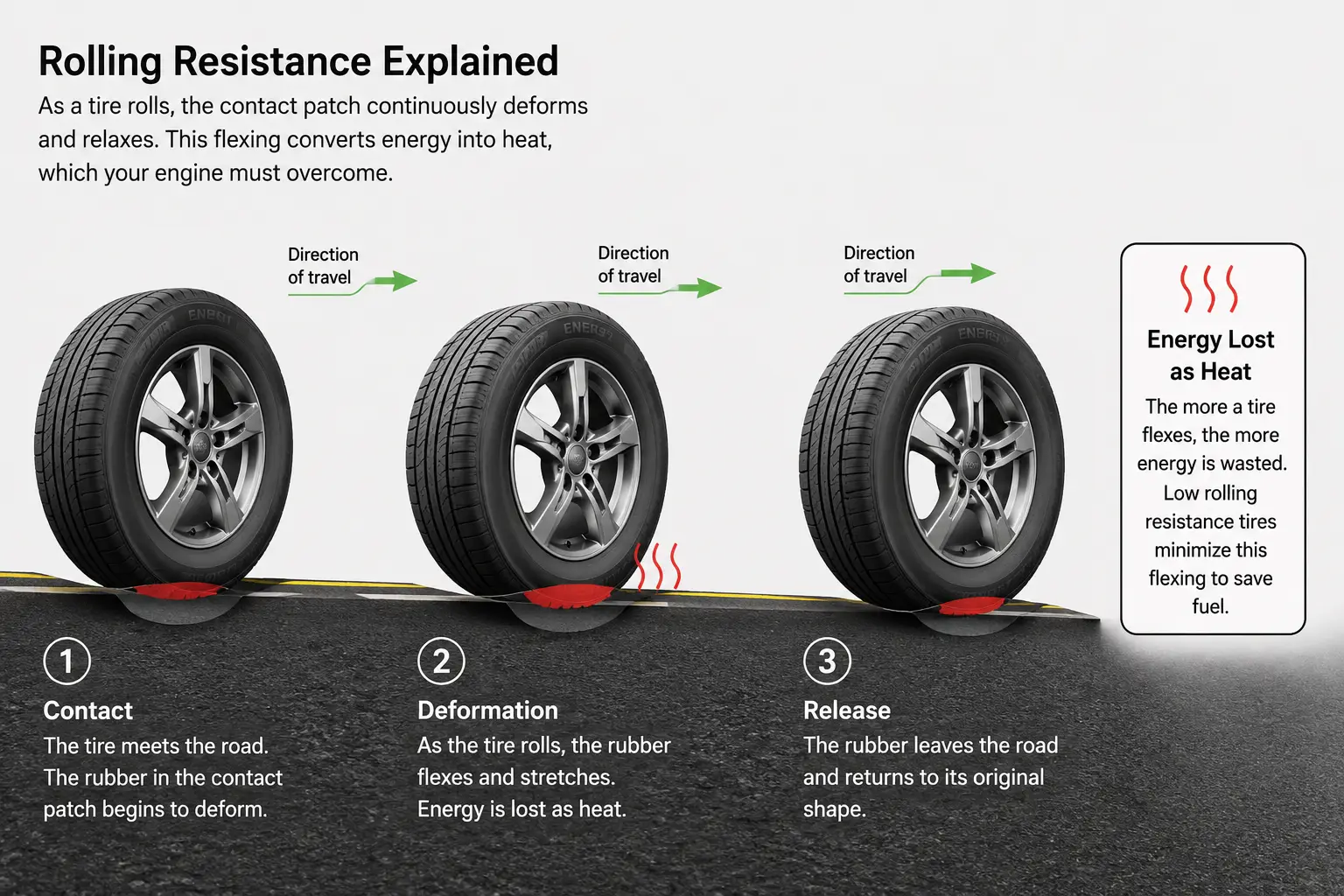
The tires on this kind of list are almost always low-rolling-resistance tires. Rolling resistance is just the amount of energy your engine has to spend to keep the tire rolling down the road.
Every time a tire spins, the rubber flexes where it touches the road, then springs back into shape. That flexing wastes a little energy as heat. The more a tire flexes, the more fuel your engine burns just to keep it moving.
Tire makers cut down on this with three things: harder rubber compounds mixed with silica, tread patterns with less deep grooving, and lighter internal construction. Put those together and the tire needs less push from your engine, which is where the fuel savings come from. The trade-off is that a stiffer, lighter tire can grip the road a little less than a tire built purely for grip, which is why the good fuel-saving tires spend a lot of engineering time closing that gap rather than chasing the lowest rolling resistance number possible.
Best Tires for Fuel Economy You Can Buy Right Now
Here are the tires that consistently show up as top picks across independent tests, tire shop recommendations, and real owner reviews. Each one is a genuine low-rolling-resistance tire from a brand with a track record, not just a marketing label.
1. Michelin Energy Saver A/S
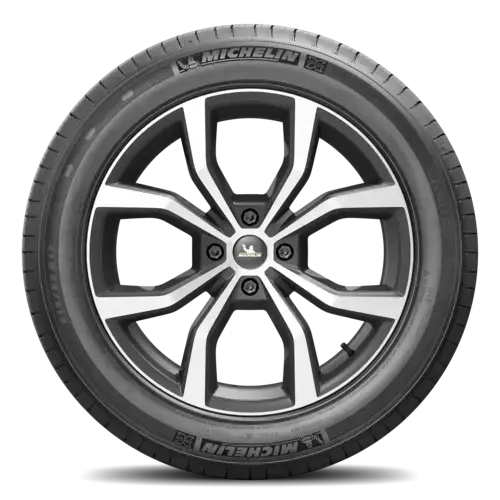
The Michelin Energy Saver A/S is the tire Michelin built as its most fuel-efficient passenger option, and it is the one that comes up most often when drivers ask about real-world mileage gains. It uses a silica-based tread compound along with Michelin’s MaxTouch Construction, which spreads the tire’s contact with the road more evenly. That even contact means less wasted energy per rotation, which is where a lot of the fuel savings come from compared to a standard all-season tire.
It consistently scores well on wet braking tests, which is usually the first thing a low rolling resistance tire gives up. Michelin backs it with a 65,000-mile warranty, and owners who put mostly highway miles on it report tread wear holding up close to that number.
- Best for: sedans and compact cars, mostly highway driving
- Price range: around $130 to $200 per tire
- Warranty: roughly 65,000 miles
- Standout feature: among the lowest rolling resistance ratings in its class, with strong wet braking scores
2. Goodyear Assurance Fuel Max
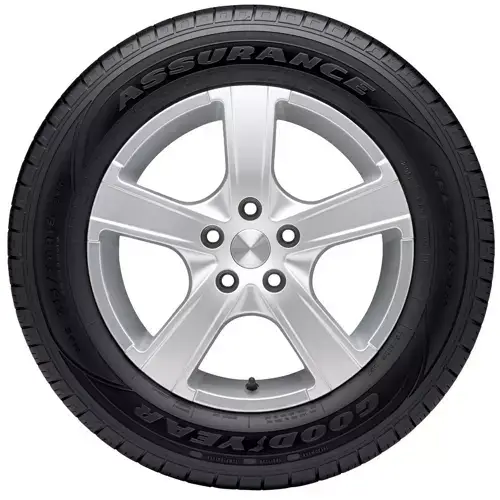
The Goodyear Assurance Fuel Max is built for drivers who want fuel savings without giving up all-weather traction. Wide tread grooves push water away to fight hydroplaning, which helps offset the grip trade-off that usually comes with a low rolling resistance design. Goodyear also uses a fuel-saving tread compound similar to what you would find on tires marketed purely for performance, just tuned differently to prioritize mileage.
It is not the single most efficient tire on this list, but it is the one most drivers say they would buy again, since it does not feel like a compromise in daily use the way some fuel-focused tires can.
- Best for: sedans, minivans, and light crossovers
- Price range: around $130 to $190 per tire
- Warranty: roughly 65,000 miles
- Standout feature: a solid middle ground between fuel savings and everyday wet weather grip
3. Bridgestone Ecopia EP422 Plus
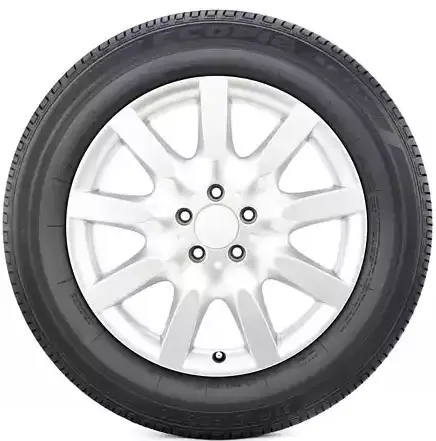
The Bridgestone Ecopia EP422 Plus leans hard into fuel savings using what Bridgestone calls Nano Pro-Tech rubber, a compound designed to reduce the internal energy loss that causes rolling resistance in the first place. It also uses recycled rubber in its construction, so it is a good pick if lowering your footprint matters to you as much as the gas bill.
What sets this one apart is tread life. Fuel-efficient tires often wear a little faster than standard tires because of the softer compounds used to cut rolling resistance, but the Ecopia EP422 Plus is one of the few in this category that owners report getting close to its full 70,000-mile warranty out of, especially with regular rotations.
- Best for: sedans and compact SUVs that see mostly highway miles
- Price range: around $140 to $210 per tire
- Warranty: up to 70,000 miles
- Standout feature: long tread life paired with strong fuel savings, a less common combo in this category
4. Continental TrueContact Tour
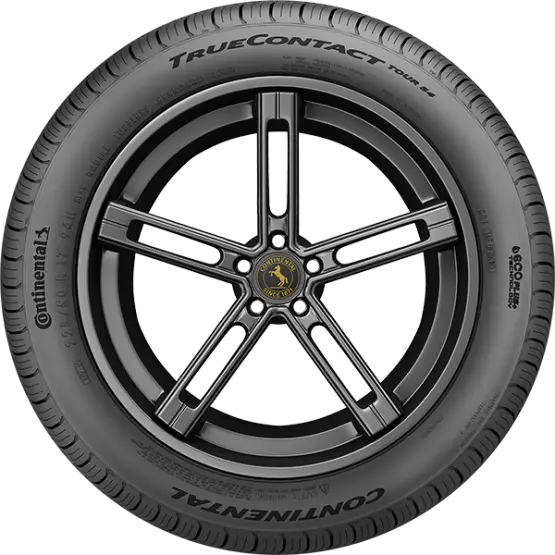
The Continental TrueContact Tour is built around what Continental calls EcoPlus Technology, a compound designed to cut rolling resistance while keeping braking distances short. Continental has leaned on this same technology across several of its touring tires, and it consistently tests well for stopping distance compared to other tires in the fuel-efficient category.
Where this tire really stands out is cabin noise. It runs noticeably quieter than other efficient tires, which tend to use firmer compounds that transmit more road noise into the cabin. If you want the fuel savings without the tire being the loudest part of your commute, this is the one to look at.
- Best for: daily commuters and family sedans
- Price range: around $120 to $180 per tire
- Warranty: up to 70,000 miles
- Standout feature: one of the quietest tires in the fuel-efficient category
5. Pirelli Scorpion Verde All Season Plus
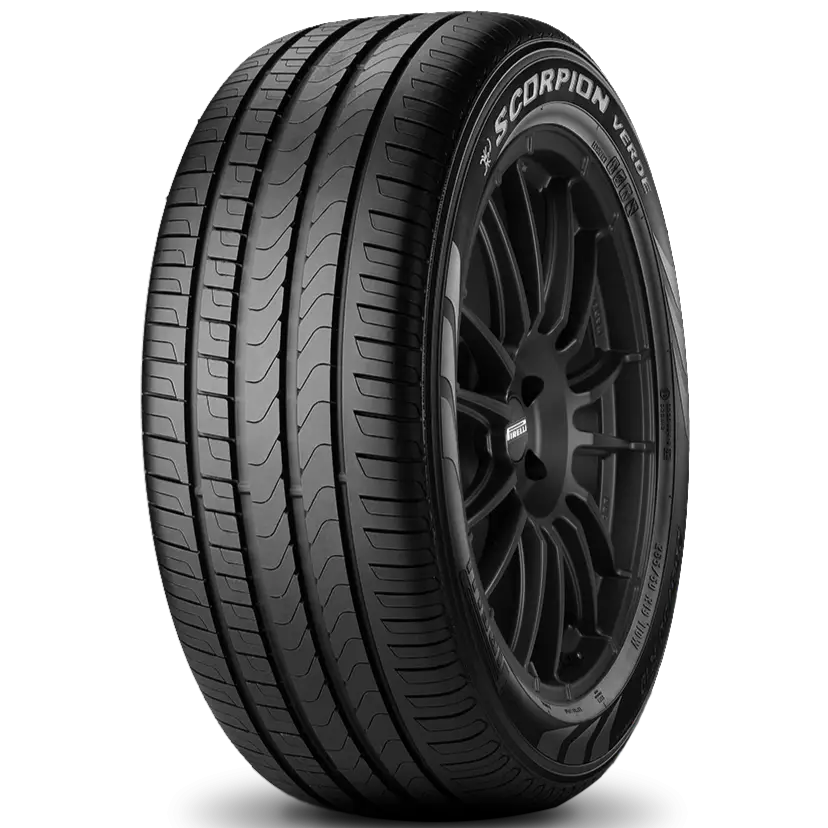
SUV and crossover owners often get told they cannot chase fuel economy without giving up load capacity. The Pirelli Scorpion Verde All Season Plus is built specifically to prove that wrong. It uses a tread design that lowers rolling resistance while still carrying the load and speed ratings SUV owners actually need, rather than a passenger car tire squeezed into a bigger size.
Pirelli also tuned this tire for reduced road noise and better winter traction than most fuel-focused tires manage, which matters if your SUV is your family’s only vehicle and needs to handle more than just dry highway miles.
- Best for: crossovers and SUVs
- Price range: around $150 to $230 per tire
- Warranty: roughly 65,000 miles
- Standout feature: reduced road noise plus solid wet and light winter traction for its class
6. Falken Sincera SN250 A/S
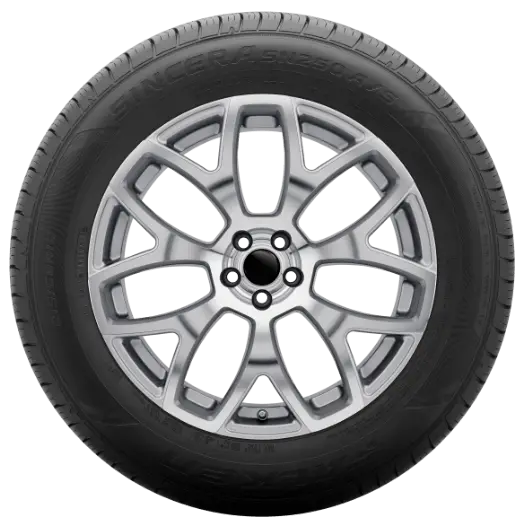
Not everyone wants to pay premium prices to save on gas. The Falken Sincera SN250 A/S brings low-rolling-resistance construction down to a budget price point without dropping to the sketchy no-name tires that give this category a bad reputation. Falken uses a similar silica-based approach to the bigger brands, just without the extra cost that comes with a well-known name.
It will not match a Michelin or Continental on tread life or ride refinement, but for the price, the fuel economy numbers hold up well in independent testing. It is a smart pick if your main goal is the lowest cost per mile, not the smoothest or quietest ride on the road.
- Best for: budget-minded drivers who still want a trusted brand
- Price range: around $90 to $140 per tire
- Warranty: up to 65,000 miles
- Standout feature: the best price-to-fuel savings ratio on this list
7. Kumho Solus TA31
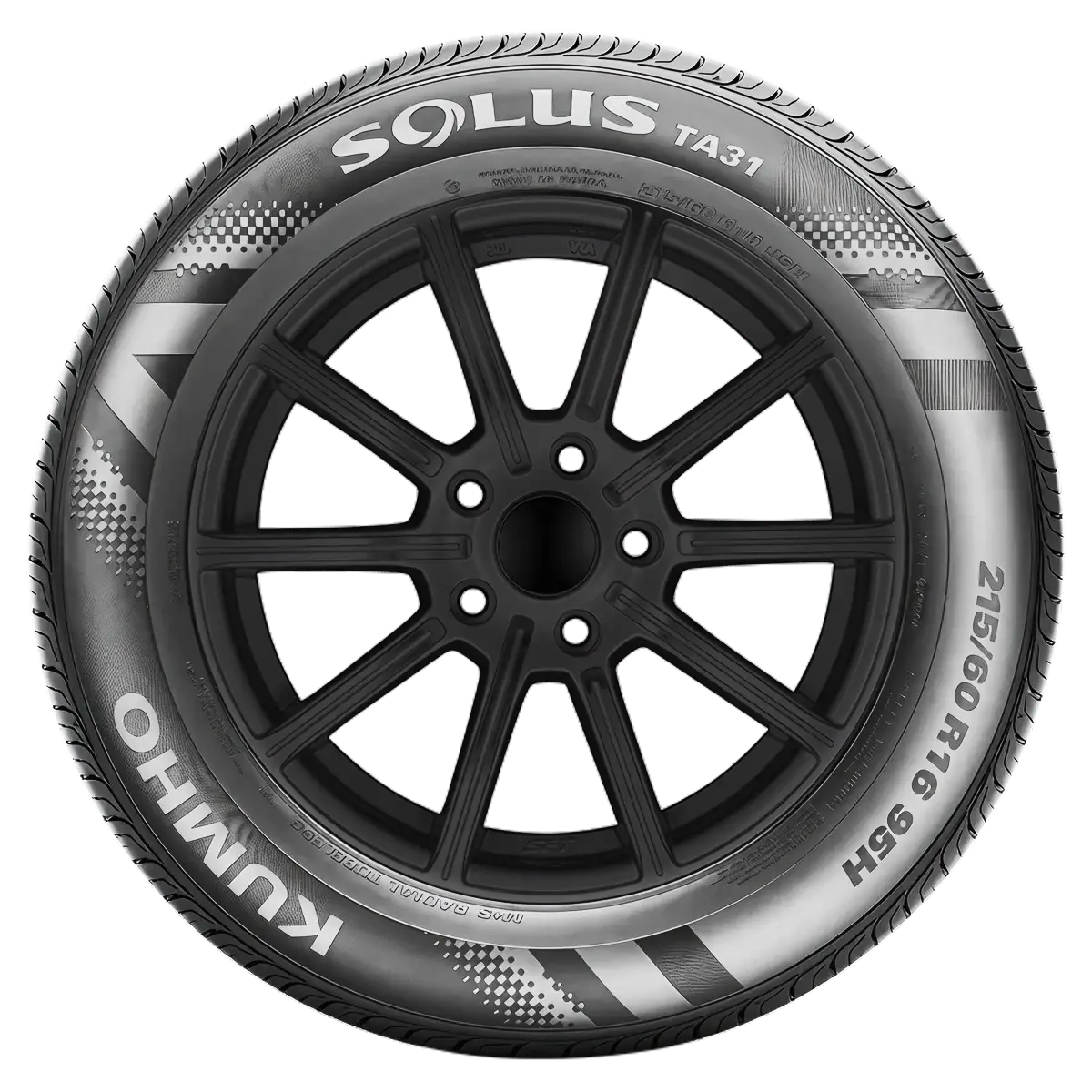
The Kumho Solus TA31 is a touring tire that packs in low rolling resistance construction at a price closer to a budget tire than a premium one. It uses a fuel-efficient tread compound alongside a design meant to keep noise and vibration down, so you are not giving up ride comfort to get the mileage benefit.
It holds up well for a tire in its price bracket, with even wear reported across the tread when rotations are kept on schedule. For drivers who want a dependable all-season tire that happens to save gas, rather than a tire built purely around a fuel economy label, this is a solid middle ground.
- Best for: sedans and crossovers on a moderate budget
- Price range: around $100 to $160 per tire
- Warranty: roughly 60,000 miles
- Standout feature: strong value with a comfortable, quiet ride for the price
8. Hankook Kinergy GT
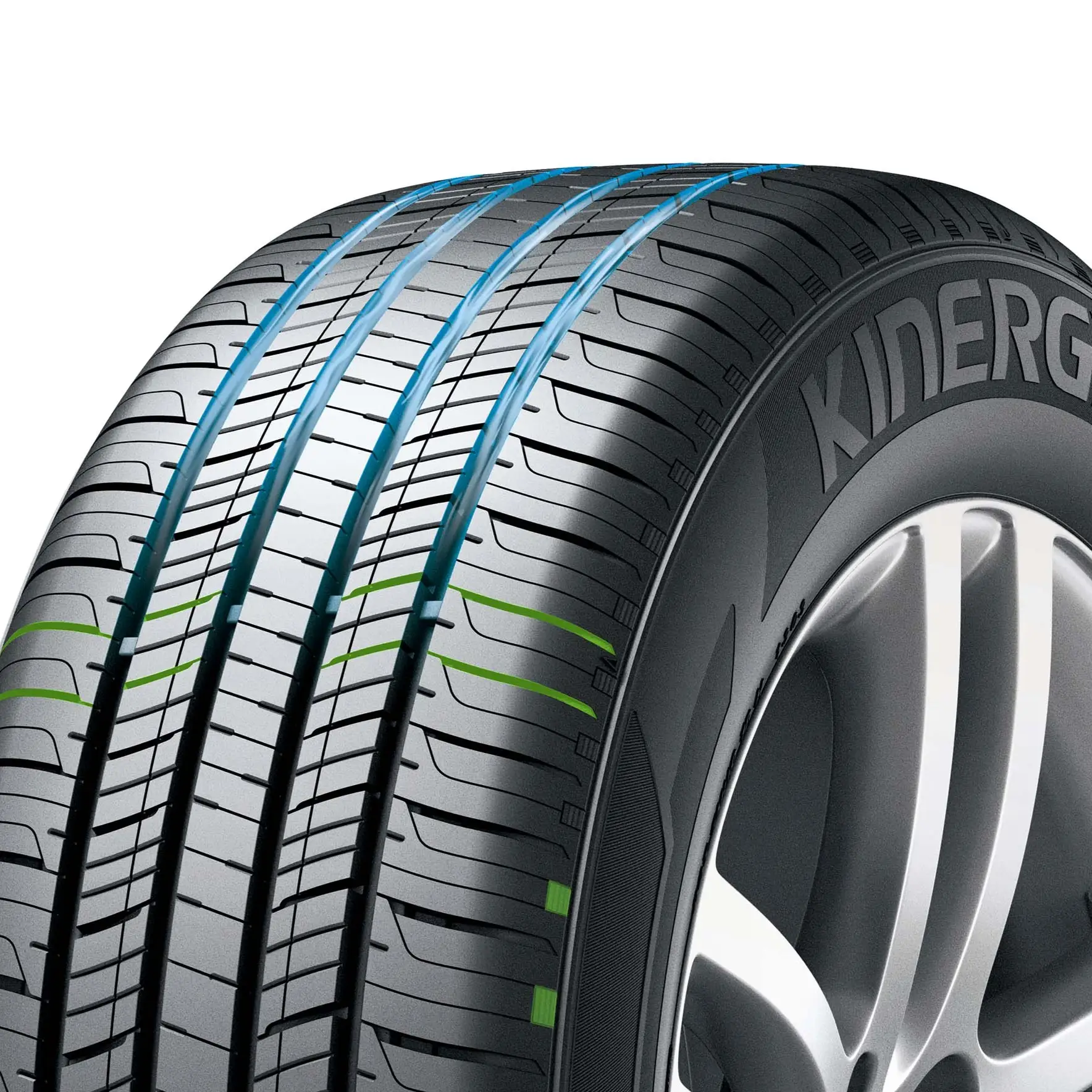
The Hankook Kinergy GT is built as a daily driver tire first, with fuel efficiency as part of the package rather than the whole pitch. It uses a silica compound tuned for lower rolling resistance and pairs it with a tread pattern designed to keep the ride smooth and quiet over regular commuting miles.
What stands out with this tire is how balanced it feels day to day. It does not push fuel savings as hard as some of the tires higher on this list, but it also does not ask you to give up much comfort or grip to get there, which makes it an easy tire to live with long term.
- Best for: daily commuters who want comfort and fuel savings together
- Price range: around $110 to $170 per tire
- Warranty: roughly 65,000 miles
- Standout feature: a smooth, balanced daily driving feel alongside real fuel savings
Best Tires for Fuel Economy Comparison
| Tire | Best For | Price Range (per tire) | Warranty | Standout Feature |
|---|---|---|---|---|
| Michelin Energy Saver A/S | Sedans, compact cars | $130 – $200 | 65,000 mi | Lowest rolling resistance in class |
| Goodyear Assurance Fuel Max | Sedans, minivans, crossovers | $130 – $190 | 65,000 mi | Balanced fuel savings and wet grip |
| Bridgestone Ecopia EP422 Plus | Sedans, compact SUVs | $140 – $210 | 70,000 mi | Long tread life, recycled rubber build |
| Continental TrueContact Tour | Commuters, family sedans | $120 – $180 | 70,000 mi | Very quiet ride |
| Pirelli Scorpion Verde AS Plus | SUVs, crossovers | $150 – $230 | 65,000 mi | Fuel savings without losing load capacity |
| Falken Sincera SN250 A/S | Budget buyers | $90 – $140 | 65,000 mi | Best value for the price |
| Kumho Solus TA31 | Sedans, crossovers | $100 – $160 | 60,000 mi | Comfortable ride at a moderate price |
| Hankook Kinergy GT | Daily commuters | $110 – $170 | 65,000 mi | Balanced comfort and fuel savings |
Getting the Most Out of Your Fuel-Efficient Tires
Buying one of the best tires for fuel economy is only half the job. A few habits decide whether you actually see the savings or lose them right back.
- Check tire pressure monthly. A tire even 10% under the recommended psi can erase most of your fuel savings.
- Get regular alignments. Misaligned wheels drag against the road and waste fuel no matter how good your tires are.
- Rotate tires on schedule. Uneven wear increases rolling resistance over time.
- Do not overload your vehicle. Extra weight makes your tires and engine work harder, cutting into any mileage gain.
- Avoid aggressive acceleration and braking. Driving style affects fuel use far more than tire choice alone.
Frequently Asked Questions
Do tires affect gas mileage?
Yes. Rolling resistance directly affects how hard your engine has to work to keep the car moving, and that shows up in your fuel bill over time, especially on highway trips.
Are fuel-efficient tires worth the extra cost?
For most highway and commuter drivers, yes. The extra $10 to $30 per tire usually pays for itself in fuel savings well before the tire wears out, especially if you drive 12,000 miles a year or more.
Why do fuel-saving tires cost more?
They use pricier silica-based rubber compounds and more precise construction to cut rolling resistance without giving up grip. That engineering adds cost compared to a basic all-season tire.
Which tire brand is best for fuel economy?
Michelin, Bridgestone, Goodyear, and Continental all make strong fuel-efficient options with independent test data backing them up. The right pick depends more on your vehicle type and budget than the brand name alone.