
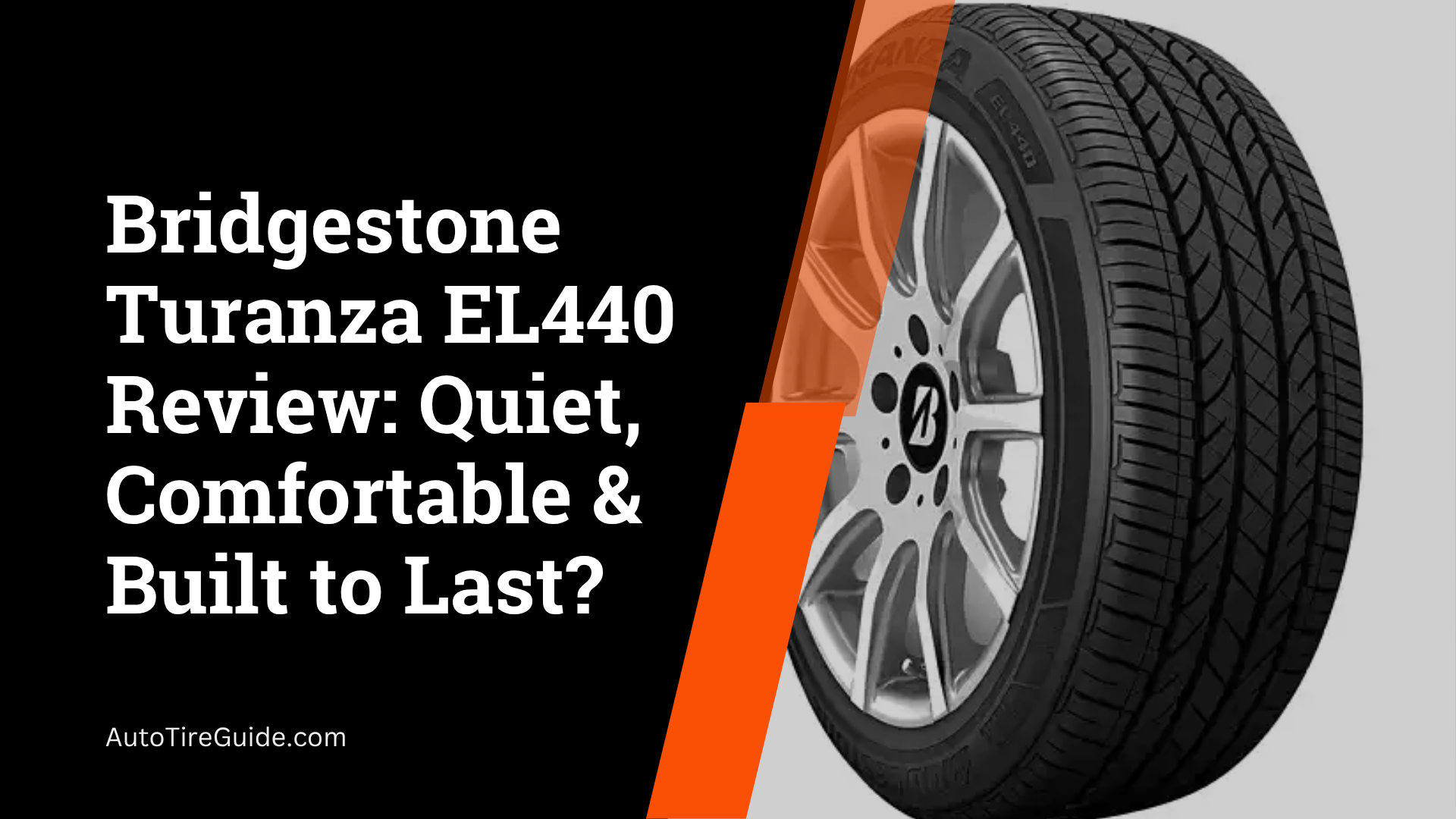
Quick Verdict
A budget-friendly OEM touring tire that shines in comfort and dry grip but falls short in tread life, snow, and aggressive wet conditions. Best for mild-climate commuters driving sedans or crossovers on mostly dry roads.
The Good
- Very affordable compared to premium all-season competitors
- Excellent dry traction and responsive steering on smooth pavement
- Smooth and quiet ride on new, quality asphalt
- Low rolling resistance improves fuel economy
- Good fitment across popular sedans, minivans, and crossovers
- Backed by a 50,000-mile tread life warranty
The Bad
- Wet traction becomes unreliable in cold temperatures below 40°F
- No 3PMSF certification, genuinely poor on snow and ice
- Real-world tread life often falls well short of the 50,000-mile warranty
- Road noise increases significantly on rough surfaces and as the tire ages
- Some owners report premature cupping and sidewall bubbling
- Not a confidence-inspiring choice if you ever need to brake hard in cold rain
-
Dry Performance7.5
-
Wet Performance5.5
-
Snow and Ice3.0
-
Ride Comfort and Noise7.0
-
Tread Life4.5
-
Fuel Efficiency7.5
-
Value for Money5.0
If you just bought a Toyota Camry, Mazda CX-30, Honda CR-V, or Honda Odyssey, there is a solid chance the Bridgestone Turanza EL440 came mounted on your wheels from the factory. It is one of the most widely used OEM (original equipment manufacturer) tires in the touring all-season segment.
But here is the honest truth. A tire being fitted at the factory does not mean it was chosen because it is the best tire for you. Automakers pick OEM tires primarily for two reasons: cost and fuel economy. The Bridgestone Turanza EL440 checks both boxes extremely well. Whether it checks the boxes you care about is a different conversation entirely.
This Bridgestone Turanza EL440 review pulls together data from Tire Rack, SimpleTire, real-world forum discussions, and independent test drives to give you a complete, no-fluff picture. By the end, you will know exactly whether to keep these tires or replace them.
Bridgestone Turanza EL440: Key Specs at a Glance
| Spec | Details |
|---|---|
| Tire Type | Grand Touring All-Season |
| Season | All-Season (M+S rated; NOT Three-Peak Mountain Snowflake certified) |
| UTQG Rating | 500 A A (Treadwear 500, Traction A, Temperature A) |
| Speed Rating | H (130 mph) or V (149 mph) depending on size |
| Rim Size Range | 16 to 19 inches |
| Common Sizes | 215/65R16, 215/55R18, 235/60R18, 235/55R19 |
| Tread Warranty | 50,000 miles |
| Construction | Symmetric tread pattern, silica compound, optimized shoulder blocks |
| Price Range | ~$90 to $185 per tire |
| Common OE Vehicles | Toyota Camry, Toyota Avalon, Mazda CX-30, Mazda 3, Honda CR-V, Honda Odyssey, Lexus ES 300h, Acura RDX, Hyundai Santa Fe |
Note: Real-world tread life often falls well below the 50,000-mile warranty figure. Regular rotations every 5,000 to 7,000 miles are essential to getting the most out of these tires.
Bridgestone Turanza EL440 Performance Breakdown
This is where it matters most. Here is every performance category based on what real drivers, forum communities, and independent reviewers have reported.
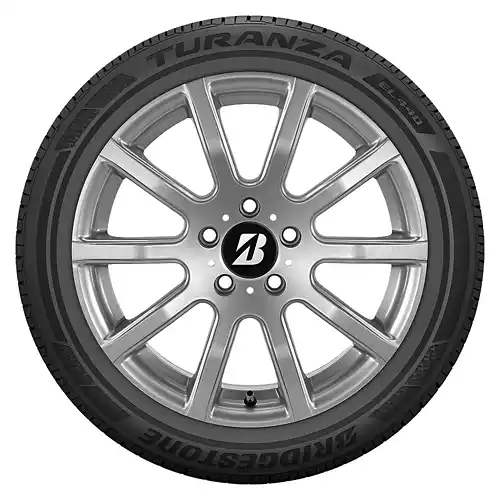
Dry Performance
On dry pavement, the Turanza EL440 is genuinely competent. The symmetric tread pattern keeps solid contact with the road and steering response is quick and predictable. Dry braking distances are respectable, and the tire feels stable and planted at highway speeds.
Owners on Tire Rack frequently give this tire scores of 8 to 10 for dry traction. One Texas driver reported pushing the tire at high speeds on dry rural roads with zero grip concerns. The shoulder blocks and siping details work well here, giving you stable cornering and confident straight-line braking.
Where dry performance gets slightly shaky is at the very limit. You are not getting performance tire levels of precision or feel. It is a touring tire, not a sport tire, so that is expected. But it is worth knowing if you like to push through corners.
Wet Performance
This is where things get complicated, and the inconsistency in owner reviews is itself telling. During an independent week-long test on a Mazda CX-30, the tire delivered impressive wet grip. Even under heavy rain and aggressive acceleration, traction held without a slip. SimpleTire’s algorithm gives it a 9.2 traction score.
But many real owners tell a different story. A Camry owner in California described adequate wet grip in warm weather but a noticeable drop in traction when temperatures fell. A Florida driver reported fishtailing at 50 mph in heavy rain. Multiple forum users from Canada and the Pacific Northwest described the tire as unpredictable and at times unsafe in cold, wet conditions.
The pattern is clear: the Turanza EL440 performs reasonably well in wet conditions when temperatures are above around 40°F. When it is cold and wet at the same time, performance drops noticeably. Warm climate drivers may never experience the worst of it. Cold, rainy winter drivers very likely will.
Snow and Ice
Do not expect much here. The Turanza EL440 carries no Three-Peak Mountain Snowflake (3PMSF) certification, which means it is not validated for severe winter service. That alone tells you what you need to know before reading another word.
Owner feedback on snow and ice is consistently negative. Forum members on the Mazda CX-30 community noted that light snow already pushes the tire to its limits. One owner compared trying to stop at a traffic light in snow to sliding with almost no stability. Winter traction scores on Tire Rack trend heavily toward the 0 to 5 range out of 10.
If you see real winters with ice, hard-packed snow, or regular snowfall, these tires are not appropriate. Dedicated winter tires or at minimum a tire with the 3PMSF symbol are necessary for safe driving in those conditions.
Ride Comfort and Noise
Comfort is one of this tire’s genuine strengths when it is new and in good condition. Bridgestone uses tuned tread sequencing, which varies the size and arrangement of tread blocks to reduce the rhythmic noise most tires generate at speed. On smooth asphalt, owners frequently report a quiet cabin and a ride that absorbs bumps well.
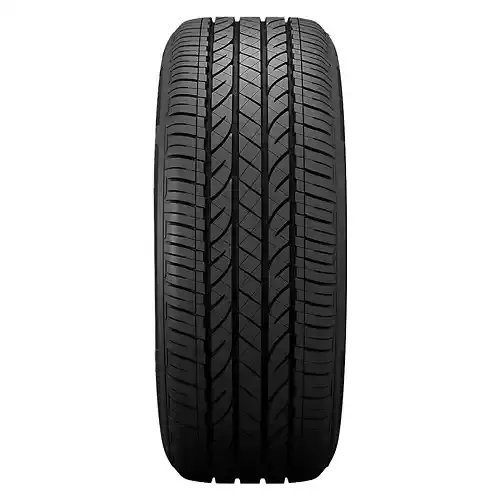
The issue is that road noise picks up noticeably on rougher road surfaces. A Mazda CX-30 commuter who drove these tires for eight to nine months a year said the noise was “pretty bad” on uneven surfaces. A Florida driver also reported increasing noise as the tires aged past 11,000 miles.
The comfort story is this: quiet and smooth on good roads when new, but noticeably louder on rougher surfaces and as tread wears. Still better than most budget tires, but not the quietest option in the touring all-season class.
Tread Life
This is one of the biggest sore spots for owners and where the picture looks the worst. The tire carries a 50,000-mile warranty which sounds reassuring. Real-world data does not match that number for many drivers. An independent test vehicle showed just over 6mm of remaining tread at 10,000 miles, projecting full wear at around 30,000 miles.
Multiple owners on SimpleTire and Tire Rack reported cupping, feathering, and sidewall bubbles well before reasonable mileage. Some experienced tread issues as early as 3,000 miles. One owner described needing a full replacement set after sidewall bubbles appeared under warranty, only to find the replacements cupping again outside of coverage.
The warranty tread wear rating of UTQG 500 implies decent durability on paper, but real-world experiences paint a more frustrating picture. Rotating every 5,000 to 7,000 miles is not optional with these tires. It is required.
Fuel Efficiency
This is one of the genuine reasons automakers love the Turanza EL440. The tire is optimized for low rolling resistance and it shows up in real-world fuel economy numbers. No owner complaints about MPG loss were found across any of the sources reviewed here.
Owners who replaced these tires with higher-performance alternatives sometimes reported a slight drop in fuel economy after switching. If you drive a hybrid or are watching every mile per gallon, this tire is quietly doing useful work in your favor.
Value for Money
At $90 to $185 per tire, the Bridgestone Turanza EL440 looks like a bargain compared to premium all-season competitors. The Michelin CrossClimate 2 runs around $216 per tire. The Bridgestone Weatherpeak comes in at the same level. Even the Falken ZIEX CT60 A/S costs meaningfully more per tire.
But value is about total cost of ownership, not just the sticker price. If you are replacing a set every 25,000 to 30,000 miles instead of 50,000 to 60,000 miles, the per-mile cost changes dramatically. Add unpredictable cold-wet performance and weak snow grip, and the savings do not justify the tradeoffs for many drivers.
For drivers in warm, dry climates with low annual mileage, the value equation still works. For everyone else in colder or wetter climates, the math gets unfavorable quickly.
Who Should Buy the Bridgestone Turanza EL440?
1. The Warm-Climate Daily Commuter
If you live in Florida, Texas, Arizona, Southern California, or anywhere that rarely sees frost let alone snow, the EL440 is genuinely a solid match. You get a comfortable, quiet ride, decent grip, and good fuel economy for far less money than premium alternatives. The climate-specific limitations of this tire will rarely show up in your day-to-day driving.
2. The Low-Mileage Driver
If you put 5,000 to 8,000 miles a year on your car and drive mostly on maintained roads in fair weather, the EL440’s weaknesses may never be obvious to you. Several owners with light usage reported being perfectly satisfied over several years. Low annual mileage also means slower tread wear, which helps offset the durability concerns.
3. The Driver Who Inherited Them and Is Not Ready to Replace Yet
If these came on your new car and you are in a mild climate, there is no urgent reason to pull them immediately. Drive them conservatively in rain, avoid winter roads entirely, rotate on schedule every 5,000 to 7,000 miles, and plan to replace at 25,000 to 30,000 miles rather than waiting for the warranty limit.
Alternatives to the Bridgestone Turanza EL440
If you are on the fence, here are three tires worth comparing before you decide.
1. Falken ZIEX CT60 A/S (~$151 per tire)
A strong mid-range step-up from the EL440. It offers better wet and snow performance, a higher owner satisfaction rating, and more consistent tread life. It sits at a price point between the EL440 and the premium tier, making it one of the best value propositions in the touring all-season segment. If you want to spend a little more and get noticeably better confidence in the rain, this is the first tire to consider.
2. Bridgestone Turanza QuietTrack (~$140 to $175 per tire)
If you want to stay in the Bridgestone family but want better noise control and improved wet-weather confidence, the QuietTrack is a meaningful upgrade. It was specifically engineered around ride quietness and wet performance, directly addressing the two biggest weaknesses of the EL440. It costs more but answers the complaints most EL440 owners eventually have.
3. Michelin CrossClimate 2 (~$216 per tire)
The premium option that does everything the EL440 does but significantly better. It carries the 3PMSF winter certification, provides excellent wet and dry grip across a wide range of temperatures, and typically lasts 60,000 miles or more. You pay roughly double, but the per-mile cost works out more favorably and the real-world confidence is in a completely different league. If you want one tire that handles everything, this is it.
Bridgestone Turanza EL440: Final Rating and Verdict
The Bridgestone Turanza EL440 is not a bad tire. It is a tire that was designed very specifically for one purpose: to ship on new vehicles at low cost while meeting fuel economy targets. Bridgestone achieved that goal impressively. But once you understand why it was designed the way it was, the performance profile makes complete sense.
It is not, however, a tire for serious winter weather. It will not impress you in the snow, and wet performance in cold temperatures is a genuine concern backed by hundreds of real owner complaints. In a head-to-head comparison with premium and mid-range alternatives, the EL440 ranks near the bottom of its class by most independent evaluations.
Buy it if: you live in a warm, dry climate and drive calmly with low annual mileage. Look elsewhere if: you deal with cold, wet winters, regular rain above moderate speeds, or occasional snow.
Frequently Asked Questions: Bridgestone Turanza EL440
Are Bridgestone Turanza EL440 tires good?
They are adequate for calm, dry-weather commuting. They perform reasonably well on dry pavement and are notably quiet when new on smooth roads. However, they have real limitations in cold, wet conditions and in snow, and tread life often falls short of the warranty figure. Whether they are “good” depends heavily on your climate and driving style.
How long do Bridgestone Turanza EL440 tires last?
Bridgestone offers a 50,000-mile warranty, but real-world tread life is often considerably shorter. Independent testing projected wear to the tread bars at around 30,000 miles, and many owners report needing replacement well before the warranty mileage. Rotating every 5,000 to 7,000 miles is essential to maximizing lifespan.
Are Bridgestone Turanza EL440 tires good in the rain?
It depends on temperature. In warm, rainy conditions above 40°F, most drivers find wet grip adequate to good. In cold, wet conditions below 40°F, multiple owners report a noticeable and sometimes alarming drop in traction. Drivers in climates with cold, wet winters report significantly more problematic wet performance than those in warm, rainy regions.
Are Bridgestone Turanza EL440 tires noisy?
When new and on smooth asphalt, most owners find them acceptably quiet thanks to Bridgestone’s tuned tread sequencing technology. On rough or worn road surfaces, noise becomes noticeably more present. Noise also tends to increase as the tires accumulate mileage past 10,000 to 15,000 miles. They are not the quietest option in the touring all-season class on real-world roads.
What vehicles come with Bridgestone Turanza EL440 tires from the factory?
These tires come as standard OEM equipment on a wide range of popular vehicles, including the Toyota Camry, Toyota Avalon, Mazda CX-30, Mazda 3, Honda Odyssey, Honda CR-V, Lexus ES 300h, Acura RDX, Hyundai Santa Fe, and several Mitsubishi and Audi models among others.
1 Comment
Pingback: What Are Touring Tires? Types, Benefits, and Top Picks for 2026 - Auto Tire Guide