
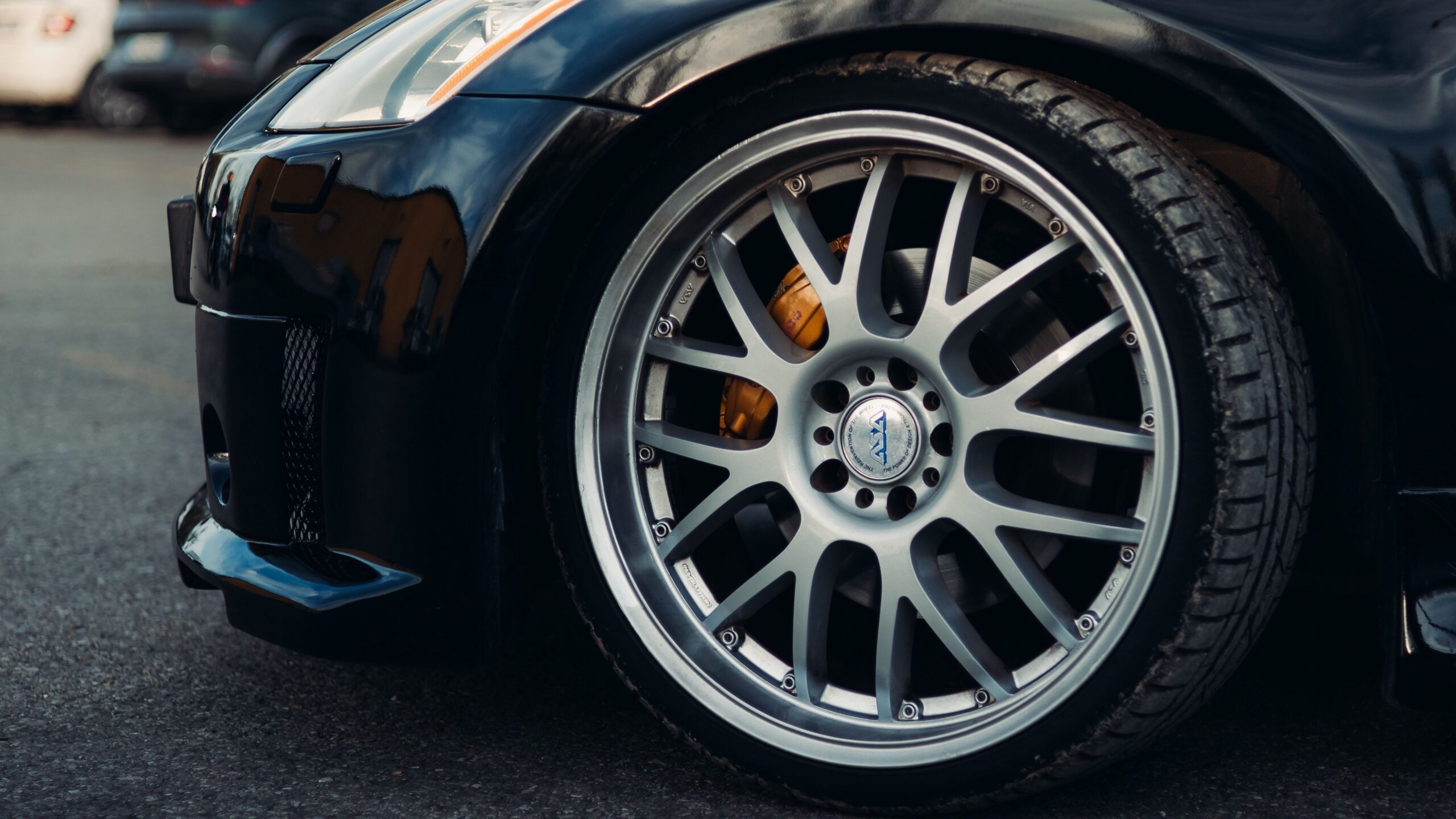
If you’ve got 20×9 wheels and you want that stretched look, here’s the short answer: a 225/35R20 tire gives you a clean, visible stretch without going outside what most tire makers approve for a 9-inch rim. If you want more stretch, a 215/35R20 gets you there, but it starts to push past manufacturer specs. Go narrower than that and you’re in aggressive, show-car-only territory.
That’s the quick version. But if you’ve spent any time reading forum threads on this, you already know the real answer depends on your tire brand, your car, how low you’re sitting, and how much risk you’re okay with. So let’s break down the whole thing properly.
What Does “Stretched” Actually Mean?
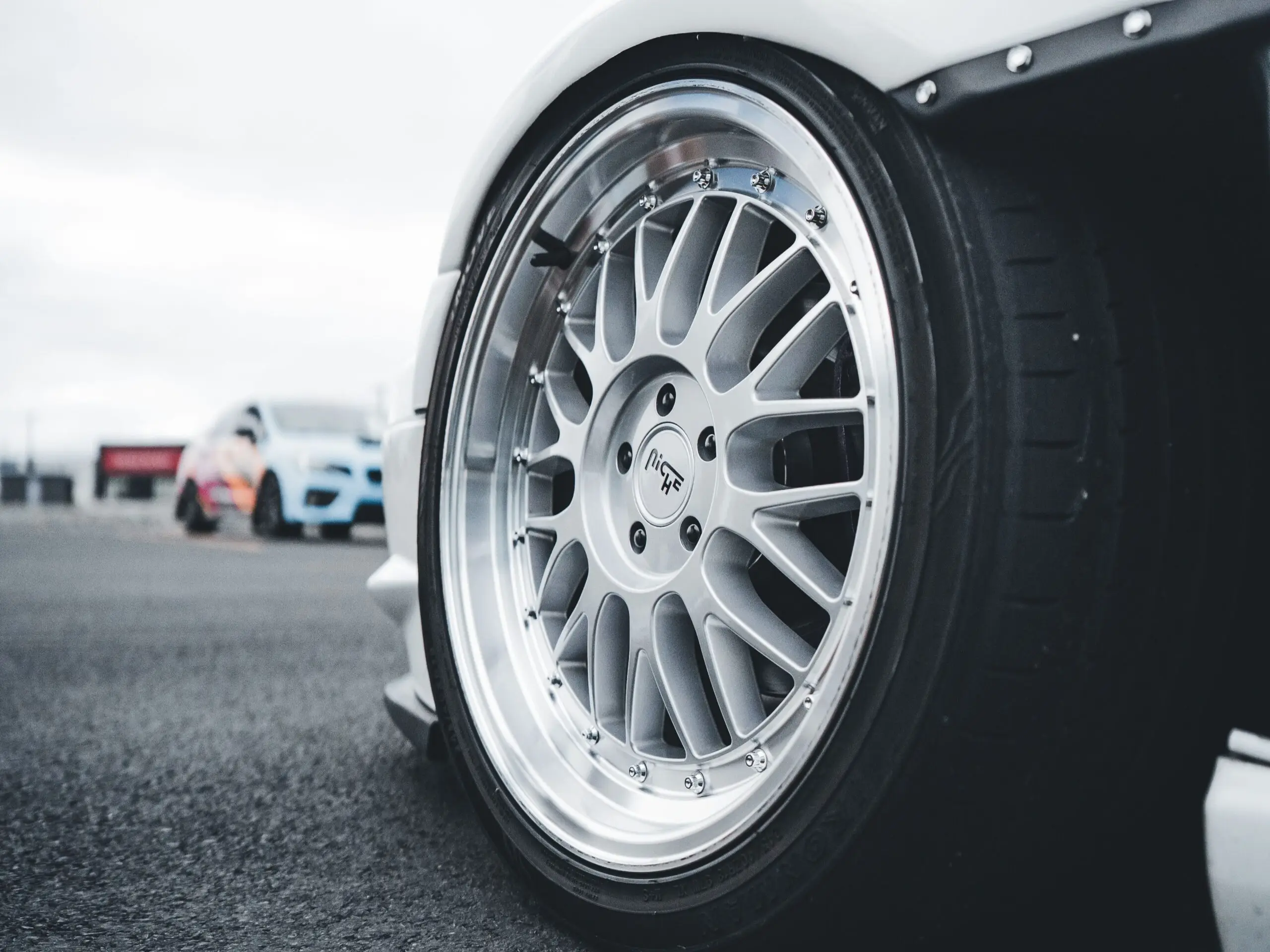
A stretched tire is one that’s narrower than the wheel it’s mounted on. Instead of the tire’s sidewall sitting flat and square with the wheel lip, it angles inward, giving that pulled-tight look you see on stance builds and lowered cars. Wheel builders love it because it fills out the fender without the tire bulging past the lip, and it lets you run a wider, more aggressive wheel without the tire rubbing on everything.
Here’s the thing most articles skip: tire manufacturers actually publish an approved rim width range for every tire they make. That range tells you the minimum and maximum wheel width a tire is designed to be mounted on. A stretch happens the moment you put a tire on a wheel that’s at the wide end of that range, or past it entirely.
Rim Math: What 20×9 Actually Means for Tire Width
A 20×9 wheel is 20 inches in diameter and 9 inches wide. Convert that 9 inches to millimeters and you get about 228.6mm. That number matters because tire section width (the first number in a tire size, like the 225 in 225/35R20) is measured in millimeters, and it needs to be reasonably close to your rim width for the tire to sit correctly.
As a rough rule, tire makers want the section width to be somewhere around 25 to 45mm wider than the rim width for a proper, square fit. On a 9 inch (228.6mm) rim, that puts a “normal” non-stretched tire somewhere in the 245mm to 265mm range. That matches what most 20×9 cars actually come with from the factory. Anything narrower than that starts creating the stretched sidewall look.
Best Stretched Tire Sizes for 20×9 Rims
This is the part everyone actually wants, so here it is straight. These are the sizes people are really running on 20×9 rims for a stretched look, based on what shows up again and again across forums, wheel-fitment galleries, and real builds.
225/35R20 – the sweet spot
This is the size most people land on when they want a visible stretch that still looks intentional and doesn’t scare off their tire shop. It’s worth knowing that 225mm is also the narrowest width that some major tire brands, like Nitto on their NT555 line, officially approve for a 9 inch rim. That means you can get a real stretched look while staying inside the tire’s own published spec, which matters for insurance, inspections, and honestly, peace of mind.
235/35R20 – the mild option
If you want just a hint of stretch without anyone questioning it, 235 is your size. It’s subtle, it still rides close to normal, and most tires in this width are rated for rims up to 9 or even 9.5 inches without issue.
215/35R20 – the deeper stretch
This is where things get more aggressive. A 215mm tire on a 9 inch rim is outside the approved range for most tire models, which means you’re relying on the tire holding its bead and shape under load rather than the manufacturer’s blessing. It looks great in photos. It’s not something most people should daily drive hard or track.
205/35R20 and narrower – extreme stretch
This is show-car and slow-roll territory only. At this width on a 9 inch rim you’re looking at a stretch of over 10%, which pushes past what most safety-focused fitment guides consider reasonable for anything other than static display. Sidewall support drops off fast, and debeading risk goes up, especially with lower tire pressure or hard cornering.
245/35R20 to 265/35R20 – square, no stretch
Worth mentioning because plenty of people searching this keyword actually just want to know what fits normally. This range is your OEM-style, square fit for a 20×9 wheel. No stretch, no drama, full manufacturer approval.
How Much Stretch Is Actually Safe?
People throw around percentages a lot in this space, so here’s how it breaks down in plain terms:
- 0 to 4% stretch: Basically a square fit. Safe for daily driving, no real compromise.
- 4 to 8% stretch: Mild to moderate. This is your 225 to 235 range on a 20×9. Fine for daily use if you keep an eye on tire pressure and check the sidewall for damage occasionally.
- 8 to 12% stretch: Aggressive. This is roughly your 215 range. Doable, but you should treat it like a compromise, not a set-and-forget setup.
- Over 12% stretch: Extreme. This is 205 and under. Show use, low-speed cruising, and events only. Not something to run on the highway.
One thing that gets missed a lot: the aspect ratio you pick also changes how the stretch looks and behaves. A 35 series tire has a taller, more flexible sidewall than a 30 series, which means it stretches more visibly but also flexes more under load. If you’re chasing the look, a 30 to 35 aspect ratio tends to photograph and drive better stretched than anything lower.
Things People Get Wrong About Stretched Tires on 20×9 Wheels
They forget about overall diameter
Going from a 265 to a 225 on the same 20-inch wheel doesn’t just change the width, it usually shrinks the overall tire diameter too, since narrower tires in the same size range often come in shorter sidewall heights. That throws off your speedometer accuracy and can lower your ride height more than expected. Always run the exact tire size through a diameter calculator before you buy, and try to stay within about half an inch of your stock tire’s overall diameter.
They ignore load rating
A narrower tire section usually carries a lower load index than a wider one in the same tire line. If your car is heavy, or you carry passengers and cargo regularly, check that the stretched size you’re picking still meets or beats your vehicle’s required load rating. This is a real safety issue, not just a technicality.
They assume every tire brand stretches the same way
Sidewall stiffness varies a lot between tire brands and even between tire lines from the same brand. A stiffer performance tire holds its shape better when stretched and looks more “square” even at a narrow width. A softer touring tire sags and bulges more, which can actually look worse stretched. If you’re chasing a specific look, look at photos of that exact tire model stretched before you buy, not just the general size.
They skip checking the tire manufacturer’s approved rim range
Every tire has a published minimum and maximum rim width on the manufacturer’s own spec sheet or on Tire Rack’s fitment page. This is the single most reliable way to know if a size is a “mild, still-approved stretch” or a “you’re on your own” stretch. It takes two minutes to check and it’s the difference between a setup your shop will mount without hesitation and one they’ll make you sign a waiver for.
Stretched Tire Sizes for a 20×9 Rim: Full Chart
| Tire Size | Section Width | Approx. Stretch % | Fitment Type | Best For |
|---|---|---|---|---|
| 265/35R20 | 265mm | None (pinched slightly) | Square / OEM-style | Daily driving, performance cars |
| 245/35R20 | 245mm | None to minimal | Square fit | Daily driving, all-around use |
| 235/35R20 | 235mm | ~2-3% | Mild stretch | Subtle stance look, daily driving |
| 225/35R20 | 225mm | ~4-5% | Mild-moderate stretch (sweet spot) | Visible stretch, still within tire spec |
| 215/35R20 | 215mm | ~6-8% | Moderate-aggressive stretch | Stance builds, occasional driving |
| 205/35R20 | 205mm | ~10-12% | Aggressive stretch | Show cars, slow cruising only |
| 195/35R20 | 195mm | ~14%+ | Extreme stretch | Static display, not recommended for road use |
Final Word on Stretched Tires for 20×9 Rims
If you’re after the cleanest, safest stretched tire on 20×9 rims, start with a 225/35R20 and see how it looks and drives before going narrower. It gives you the visual pull without stepping fully outside what the tire is built to handle. If you want more aggression and you’re okay with the tradeoffs, 215/35R20 is the next step, just know you’re leaving the manufacturer’s comfort zone. Anything under that is a look-only setup, not a daily fitment.
Whatever size you land on, check the tire’s actual approved rim width on the manufacturer’s site before you buy, confirm your load rating still covers your car, and get it mounted by a shop that’s dealt with stretched fitments before. A stretched tire done right looks great and holds up fine. A stretched tire done wrong is a bead-popping, sidewall-cracking headache waiting to happen.