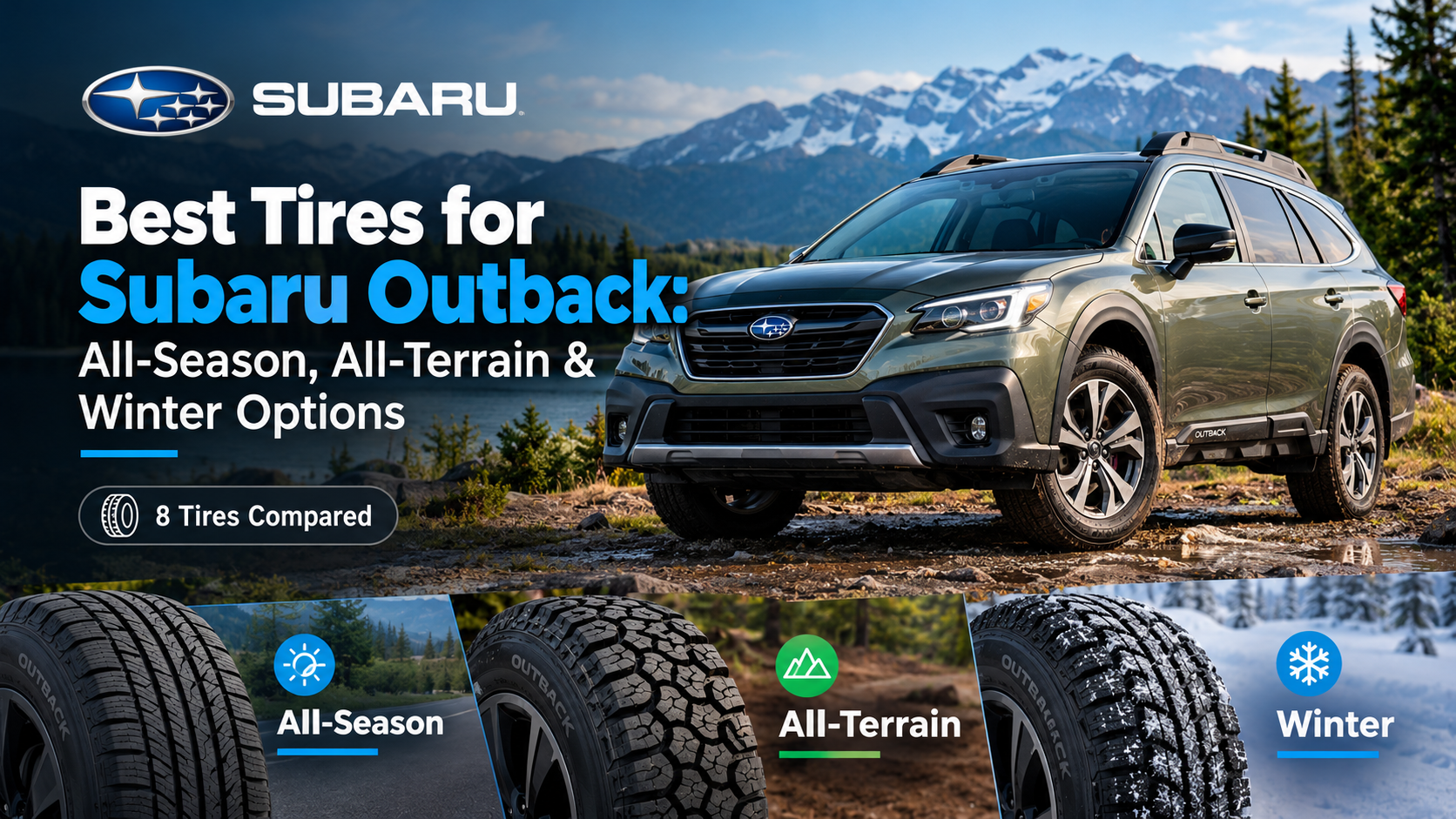
Your Outback has all-wheel drive. That helps you get moving on snow, mud, and wet roads. It does not help you stop. Your tires do that job. So the best tires for Subaru Outback depend on where you drive, not just on which brand is popular.
This guide uses real specs, 2026 testing data, and owner feedback. It matches tires to your trim, your weather, and your budget. It also explains Subaru’s tire-matching rule.
Best Tires for Subaru Outback: Quick Picks
- Best all-weather (one set all year): Michelin CrossClimate2
- Best premium all-season: Michelin Defender2
- Best value all-season: Falken ZIEX CT60 A/S
- Best budget: Kumho Solus TA51a
- Best all-terrain for most Outbacks: Falken Wildpeak A/T Trail
- Best for the Wilderness trim: Yokohama Geolandar A/T G015
- Best winter tires: Michelin X-Ice Snow or Bridgestone Blizzak WS90
How to Choose the Best Tires for Your Subaru Outback
Step 1: Find Your Outback’s Tire Size
Look at the sticker inside the driver’s door. It lists the factory tire size and the right air pressure. Not sure how to read the numbers? Our tire buying guide explains them.
Here are the factory sizes by trim. Notice that 2026 is different. Many base trims moved up to 18-inch wheels, and the XT trims now have 19-inch wheels.
| Model years | Trims | Wheel | Tire size |
|---|---|---|---|
| 2015 to 2019 | Varies by trim | 17 or 18 in | 225/65R17 or 225/60R18 |
| 2020 to 2024 | Base, Premium | 17 in | 225/65R17 |
| 2020 to 2024 | Limited, Touring, Onyx, all XT | 18 in | 225/60R18 |
| 2022 to 2026 | Wilderness | 17 in | 225/65R17 |
| 2026 | Premium, Limited, Touring | 18 in | 225/60R18 |
| 2026 | Limited XT, Touring XT | 19 in | 225/55R19 |
Own a 2025? Check your door label, since sizes can change in a redesign year.
Step 2: Match the Tire Type to Your Winter
Subaru’s all-wheel drive sends power to all four wheels. That is great for getting going. But braking and turning depend only on grip, and grip comes from the tire. That is why the best tires for Subaru Outback owners in Denver are not the same as in Miami.
Look for the Three-Peak Mountain Snowflake symbol (3PMSF) on the sidewall. It means the tire passed a minimum snow traction test. It does not test ice. That matters, as you will see below.
| Your situation | Tire type | Good fits |
|---|---|---|
| Mild winters, mostly pavement | All-season | Defender2, ZIEX CT60 A/S |
| Some snow, no desire for two sets | All-weather | CrossClimate2 |
| Dirt roads, trailheads, deep snow | All-terrain | Wildpeak A/T Trail, Geolandar G015 |
| Ice, mountain passes, long freezes | Winter set | X-Ice Snow, Blizzak WS90 |
How big is the gap between an all-weather tire and a true winter tire? In a 2026 Tire Rack test, the best all-weather tire stopped from 12 mph on ice in about 50.6 feet. The best winter tire needed about 38.7 feet. On snow from 25 mph, the gap was small: about 58.6 feet against 56.1 feet. You can read the details in this summary of the test. The test used a smaller 17-inch size, so treat the numbers as a guide.
In plain words, an all-weather tire is close to a winter tire on snow. It is far behind on ice. If your roads ice over, buy winter tires.
Best Tires for Subaru Outback: Our Top 8 Picks
1. Michelin Defender2: Best Premium All-Season
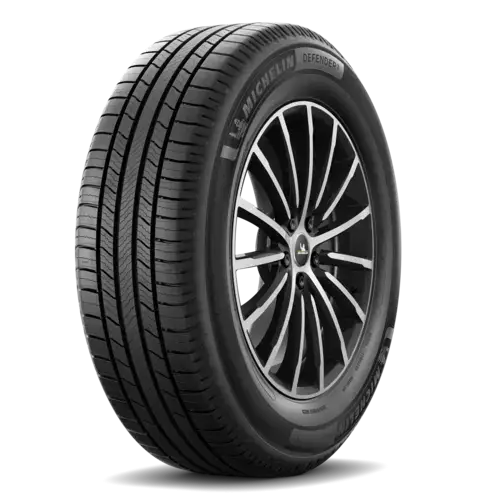
Best for: Drivers who want long life and a quiet ride.
The Michelin Defender2 has an 80,000-mile treadwear warranty on H and V speed ratings. It also has a 6-year limit, so you would need to drive about 13,300 miles a year to use every mile. Car Talk’s testers found it quiet, with steady handling and great wet grip.
Watch out: It is an all-season tire, not a snow-rated one. Also check that your exact size is made.
2. Falken ZIEX CT60 A/S: Best Value All-Season
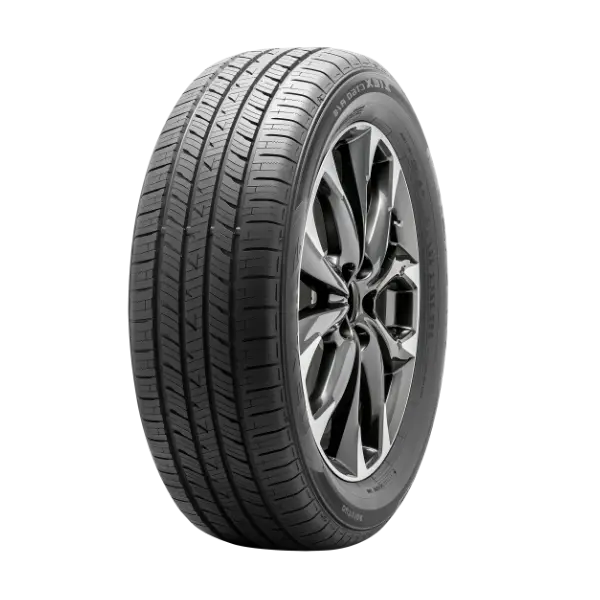
Best for: Daily driving on pavement for less money than a Michelin.
The Falken ZIEX CT60 A/S was built for crossovers and SUVs. It has a 65,000-mile warranty and comes in 225/65R17. Car Talk named it its best overall pick for the Outback. Owners on Tire Rack mostly praise its comfort, quiet ride, and wet grip.
Watch out: It is not snowflake-rated. For real snow, jump to pick 4.
3. Kumho Solus TA51a: Best Budget Pick
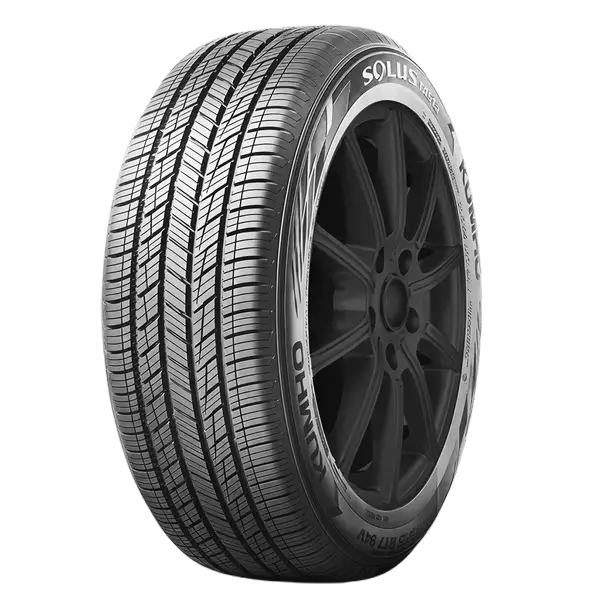
Best for: Tight budgets and mild winters.
The Kumho Solus TA51a carries a 65,000-mile warranty. In late 2025 it started around $150 per tire at one big online seller, the lowest price of the all-season picks here.
Watch out: Independent test data is thinner than for the premium tires. Treat it as a value bet. Wondering about the brand? Read Is Kumho a Good Tire Brand?
4. Michelin CrossClimate2: Best All-Weather Tire
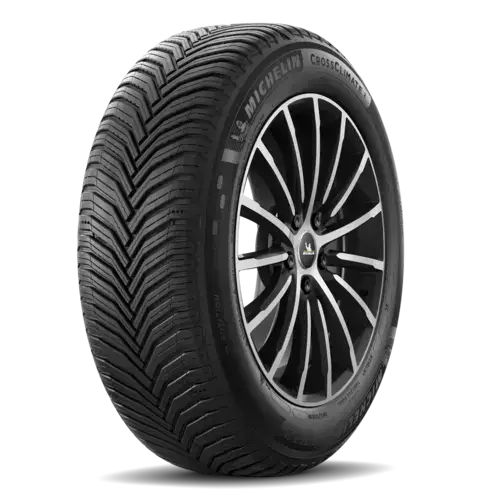
Best for: Outback owners who get real snow but do not want two sets of tires.
The Michelin CrossClimate2 has the snowflake symbol and a 60,000-mile warranty. It comes in 225/60R18 and 225/55R19. Test data shows excellent snow grip and dry braking. Rain is its weaker side. One large test database scores it 91 out of 100 on snow but 75 on wet roads.
Watch out: It cannot match a winter tire on ice. Also, Michelin has said its newer CrossClimate 3 will not come to North America for several years. So the CrossClimate2 is the one to buy here.
5. Falken Wildpeak A/T Trail: Best All-Terrain Tire
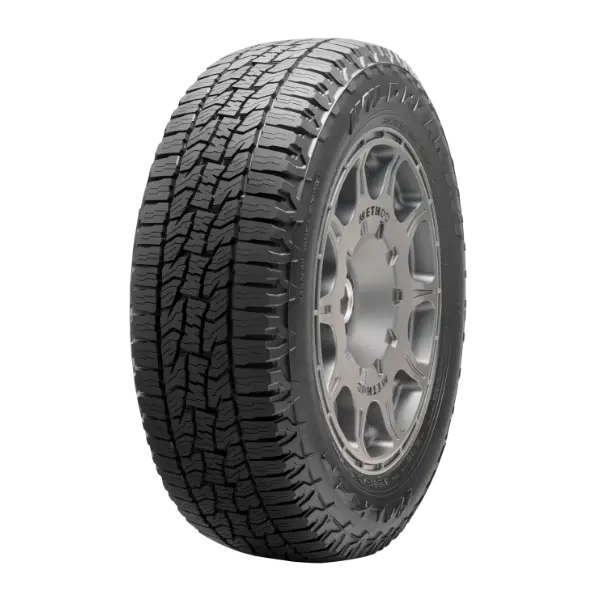
Best for: Dirt roads, trailheads, deep snow, and camping trips on any trim.
The Falken Wildpeak A/T Trail is billed as the first all-terrain tire made for crossovers. It has the snowflake symbol, a 65,000-mile warranty, and a tougher two-ply sidewall for rocks. It comes in 225/65R17, 225/60R18, and 225/55R19. That covers nearly every Outback.
Watch out: Expect a bit more road noise and slightly lower mileage than a touring tire. XT owners should note that the 19-inch size has a treadwear grade of 380, while the 17- and 18-inch sizes are graded 680. That points to a shorter life. For help with mileage, see our best tires for fuel economy guide.
6. Yokohama Geolandar A/T G015: Best for the Wilderness Trim
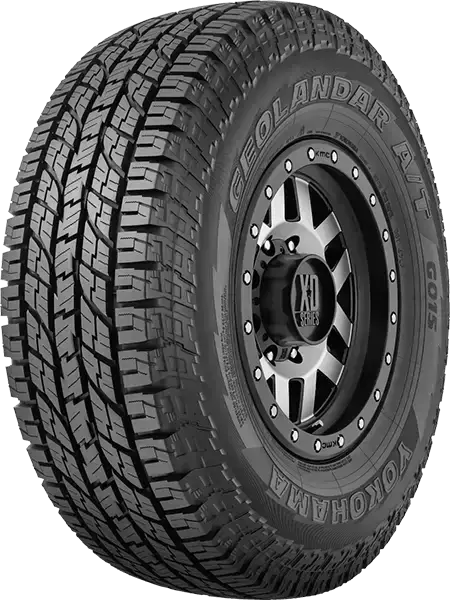
Best for: Wilderness owners replacing the factory tire.
The Yokohama Geolandar A/T G015 is the factory tire on the Wilderness. A European test group named it the winner of an all-terrain test, praising its wet braking and low noise. Owners agree that it is quiet for an all-terrain tire.
Watch out: It struggles in deep, wet mud. Tread-life reports are thin too. Five end-of-life reviews averaged about 33,400 miles, which is a small sample. If you do not own a Wilderness, the A/T Trail is easier to find in 18- and 19-inch sizes.
7. Michelin X-Ice Snow: Best Studless Winter Tire
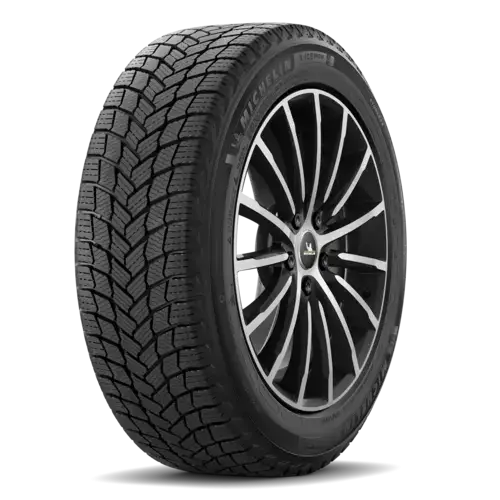
Best for: Ice, mountain roads, and long freezes.
In Tire Rack’s 2026 all-weather versus winter test, the Michelin X-Ice Snow took first place in snow braking. It came second on ice, only about 0.2 meters behind the winner.
Watch out: Winter tires wear fast and lose their edge on warm roads. Swap them off in spring. Buy early too. Car Talk advises buying before the end of November, since stock runs thin by February.
8. Bridgestone Blizzak WS90: Best Winter Tire for Ice
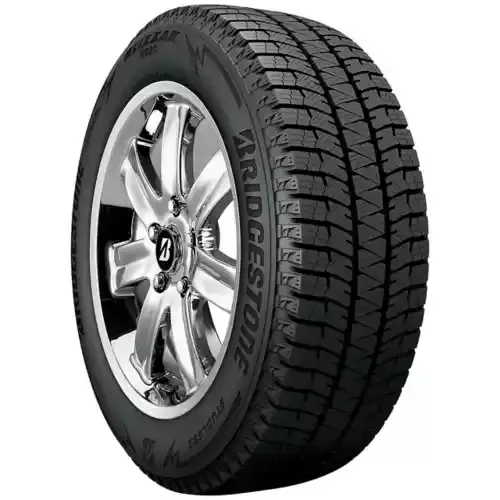
Best for: Drivers who fear ice most.
The Bridgestone Blizzak WS90 had the shortest ice stop in that same 2026 test: about 38.7 feet from 12 mph. Pick it over the X-Ice Snow if ice is your top worry.
Watch out: Need metal studs? The Cooper Evolution Winter accepts them. Studs are loud and some places limit them, so check local rules first.
Other Tires Worth Considering
- Goodyear Assurance WeatherReady 2: Pick it if rain worries you more than snow. It won Tire Rack’s touring all-season test overall, thanks to strong wet results.
- Bridgestone WeatherPeak: Pick it if you want the best snow stopping among all-weather tires. It led that group in the 2026 test at 58.6 feet.
- Falken Wildpeak A/T4W: A tougher, truck-style tire sold in 225/65R17, the Wilderness size. Read our Falken Wildpeak A/T4W review to see if it fits your needs.
Comparison Table
| Tire | Type | Snowflake | Warranty | Best for |
|---|---|---|---|---|
| Michelin Defender2 | All-season | No | 80,000 mi | Long life |
| Falken ZIEX CT60 A/S | All-season | No | 65,000 mi | Value |
| Kumho Solus TA51a | All-season | No | 65,000 mi | Low price |
| Michelin CrossClimate2 | All-weather | Yes | 60,000 mi | One set all year |
| Falken Wildpeak A/T Trail | All-terrain | Yes | 65,000 mi | Dirt and deep snow |
| Yokohama Geolandar A/T G015 | All-terrain | Check size | Check size | Wilderness trim |
| Michelin X-Ice Snow | Winter | Yes | Usually none | Ice and snow |
| Bridgestone Blizzak WS90 | Winter | Yes | Usually none | Ice |
Replace Two Tires or All Four on an Outback?
Replace all four unless your old tires are nearly new. Your Outback’s all-wheel-drive system expects all four tires to be about the same height. Tires of different heights spin at different speeds. The system then fights itself, which adds heat and wear.
Subaru’s manual says the tires must match in size but gives no number. Subaru tech guidance, often quoted, is a difference of about a quarter inch in circumference. That equals about 2/32 inch of tread depth. A new tire starts around 10/32 to 11/32 inch. So if your old tires are worn past roughly 8/32, buy a full set.
Replacing only two? Use the exact same brand, model, and size. Many shops can also shave a new tire to match the worn ones. Ask your shop about it, and confirm the limit in your owner’s manual.
What Outback Tires Cost and How Long They Last
The best tires for Subaru Outback drivers are not always the priciest ones. In late 2025, online starting prices ran from about $140 to $260 per tire. A set of four with installation can land between roughly $600 and $1,250. Shops often charge $10 to $50 per tire to mount and balance, so ask for the total price. These are estimates, and prices move.
Warranty miles are a ceiling, not a promise. Car Talk puts typical tread life at 30,000 to 40,000 miles. Rotate every 5,000 to 7,000 miles to get closer to the warranty number. Many makers also advise replacing tires at five to six years, whatever the tread looks like.
One more tip: after a tire change or a sharp cold snap, your pressure light may come on. Our guide on why the tire pressure light blinks shows what to check.
Subaru Outback Tire FAQ
What are the best tires for a Subaru Outback in snow?
For one set all year, the Michelin CrossClimate2 is the best pick. For ice and mountain roads, use a winter set such as the Michelin X-Ice Snow or Bridgestone Blizzak WS90. All-weather tires are close to winter tires on snow but stop much farther away on ice.
Do I need winter tires if my Outback has all-wheel drive?
Not always, but all-wheel drive does not shorten your stopping distance. If you see ice, long freezes, or temperatures often below about 45°F, winter tires give you a real safety margin. If you only see light snow a few times a year, an all-weather tire may be enough.
Can I put all-terrain tires on a regular Outback?
Yes, if the size matches your wheels. The Falken Wildpeak A/T Trail comes in 17-, 18-, and 19-inch sizes. Expect a little more noise, and keep all four tires the same.
Do Subaru Outbacks need special tires?
No. Any quality tire in the right size, load index, and speed rating works. The only special rule is to keep all four tires closely matched.
What tire pressure should my Outback have?
Use the number on the door label, and check it when the tires are cold. Do not use the number printed on the tire sidewall. That is the tire’s maximum, not your Outback’s setting.
How long do Outback tires last?
Plan on 30,000 to 40,000 miles for many tires, and more for long-life models like the Defender2 if you rotate on time. Check tread depth often, and replace tires when they reach the wear bars.
Final Verdict: Which Tire Should You Buy?
- Buy the Michelin CrossClimate2 if you want one set that handles rain, dry roads, and real snow.
- Buy the Michelin Defender2 if you want long life and a quiet ride, and your winters are mild.
- Buy the Falken ZIEX CT60 A/S if you want strong all-season value.
- Buy the Falken Wildpeak A/T Trail if you drive dirt roads or camp often.
- Buy a winter set if ice is part of your winter. Nothing else stops as well.
The best tires for Subaru Outback are the ones that match your trim, your climate, and your roads. Check your size first. Then pick the type that fits your winter, and replace all four tires whenever you can.