Quick Verdict
- A comfortable, fuel-saving tire for daily SUV and crossover driving, but tread wear and light snow grip hold it back from a higher score. Best for commuters and OEM replacement buyers on SUVs, CUVs, and minivans who drive mostly in dry or mild climates.
The Good
- Strong dry traction with responsive, stable handling for daily driving
- Genuinely lower rolling resistance that helps with real-world fuel economy
- Quiet, comfortable ride when the tire is new and properly maintained
- 70,000-mile limited treadwear warranty on all sizes
- Widely available as OEM replacement fitment for popular SUVs and minivans
The Bad
- Multiple owner reports of faster than expected or uneven tread wear
- No 3PMSF winter certification, and weak reported performance in snow and ice
- Wet weather confidence is inconsistent, with some hydroplaning complaints
- Road noise increases noticeably as the tire wears down
- Performance leans more toward efficiency than grip, so it's not for spirited driving
-
Dry performance
-
Wet Performance
-
Snow and ice
-
Ride comfort and noise
-
Tread life
-
Fuel efficiency
-
Value for money
Here’s the short version. The Ecopia H/L 422 Plus is built around one main goal: lower rolling resistance for better gas mileage, wrapped in a quiet and comfortable ride. It does that job well. Where it struggles is in tread life and cold-weather grip, and real owners have been vocal about both.
This review pulls from Bridgestone’s own product page, Tire Rack’s owner survey data, and real complaints and praise from forums like BobIsTheOilGuy and owner clubs for the Honda CR-V and Odyssey, so you get the honest picture, not just the marketing pitch, before you decide whether to keep this tire on your car or replace it.
It’s worth understanding where this tire fits in Bridgestone’s lineup too. The Ecopia H/L 422 Plus is the SUV, CUV, and minivan version of Bridgestone’s fuel-efficiency focused Ecopia family, sitting alongside the sedan-oriented Ecopia EP422 Plus. Both tires share the same core mission of lowering rolling resistance, but they’re tuned differently for the weight and ride characteristics of the vehicles they’re built for. If you’re cross-shopping between an SUV and a sedan in your household, it helps to know these aren’t interchangeable, even though they carry a similar name.
Bridgestone Ecopia H/L 422 Plus Key Specs and Sizes
| Spec | Details |
|---|---|
| Tire type | Touring all-season, SUV/CUV/minivan |
| Season rating | All-season (no 3PMSF winter certification) |
| Warranty mileage | 70,000 miles limited treadwear warranty |
| Price range | Roughly $130 to $260 per tire |
| Vehicle fitment | Honda CR-V, Honda Odyssey, Toyota Highlander, Lexus RX350, Dodge Durango, Subaru models, and similar SUVs, CUVs, and minivans |
| Special versions | Also available as Ecopia H/L 422 Plus RFT (run-flat) |
Bridgestone Ecopia H/L 422 Plus Tire Technology and Construction
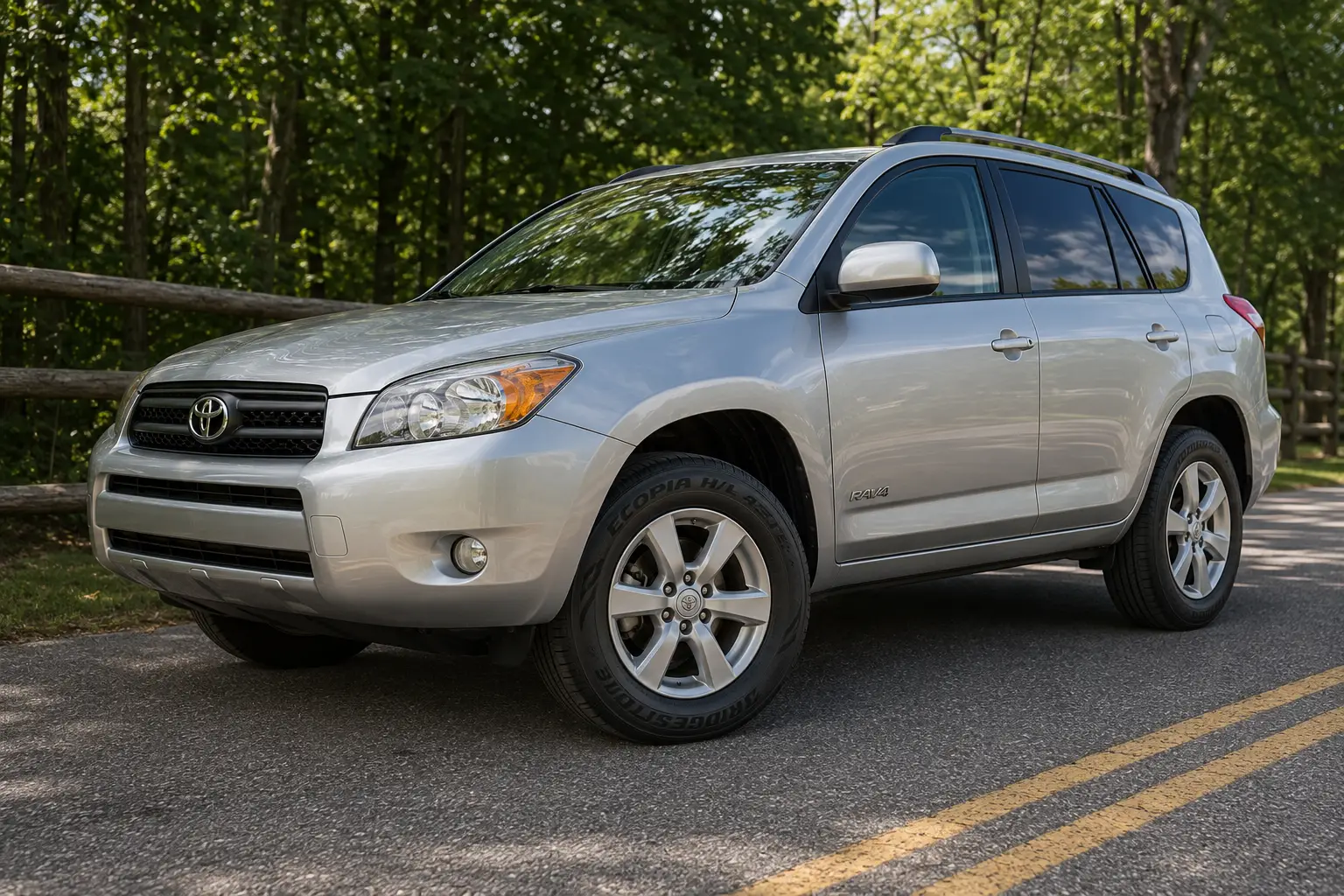 The Ecopia H/L 422 Plus is built around Bridgestone’s Ecopia technology, which focuses on lowering rolling resistance and reducing raw material use without giving up too much everyday performance. Bridgestone specifically markets this tire as more fuel efficient than its predecessor, the Dueler H/L 422 Ecopia, which tells you this tire’s whole design philosophy centers on saving you money at the pump over the life of the tire.
Full depth grooves run through the tread to keep water evacuation working even as the tire wears down, not just when it’s brand new. Around those grooves, an optimized block design is tuned to fight irregular wear and improve braking on wet roads, while also keeping the ride smooth. Bridgestone says the overall tread pattern was engineered with comfort as a priority alongside efficiency, which lines up with what most owners report: this is a quiet tire, at least when it’s fresh off the shelf.
The tread compound itself uses a formula designed to lower rolling resistance, the force that fights against your engine as the tire rolls down the road. Less rolling resistance generally means better gas mileage, and it’s the single biggest selling point of this tire. The trade-off, as you’ll see in the performance section below, is that a compound built primarily for efficiency isn’t always the same compound that holds up best over tens of thousands of miles or grips confidently on cold, wet pavement.
Bridgestone also builds the Ecopia H/L 422 Plus with reduced raw material use as part of its sustainability pitch, which is where the eco-friendly branding really comes from. It’s less about a dramatic new rubber technology and more about an engineering approach that trims weight and material without giving up the comfort most SUV and minivan owners expect. For drivers who care about the environmental angle as much as the fuel savings, that combination is part of the appeal.
Bridgestone Ecopia H/L 422 Plus Tire Performance Breakdown
Dry Performance
Dry traction is a genuine strength here. Tire Rack’s owner survey data shows dry traction scores mostly in the 7 to 10 range, and owners consistently describe responsive handling and stable cornering for daily driving. This isn’t a performance tire, but for commuting, running errands, and regular highway driving, most owners feel confident in the dry.
Steering response comes up as a positive in owner comments too, with several drivers noting the tire feels planted during lane changes and highway merges. This matters more than it sounds for a family SUV or minivan, where predictable, easy handling day to day counts for more than outright grip limits most owners will never approach.
Wet Performance
Wet performance is more of a mixed bag. Owner survey scores split fairly evenly across the 5 to 8 range, and while Bridgestone’s optimized block design is meant to improve wet braking, a portion of owners report reduced confidence in heavy rain and a few mention hydroplaning concerns at higher speeds. This isn’t a tire that inspires the same trust in a downpour that it does on a dry afternoon commute, so if you drive somewhere with frequent heavy rain, keep this in mind.
Snow and Ice
This is the tire’s clearest weak spot. The Ecopia H/L 422 Plus does not carry the Three-Peak Mountain Snowflake certification, and owner survey data backs that up, with winter traction scores frequently landing in the 0 to 3 range. Forum owners echo this. One CR-V owners club member noted that noise and handling complaints came up more than tread wear itself when discussing the OEM Ecopia experience in winter conditions. If you live somewhere with real winters, this tire is not built to be your only option, and a dedicated winter tire or a 3PMSF-rated all-weather tire is a smarter call for the cold months.
Ride Comfort and Noise
Comfort is another strong point, at least early in the tire’s life. Tire Rack owner data shows comfort and quietness scores frequently hitting 9 and 10, and one Toyota Highlander CX9 owner review called it an awesome riding tire with no complaints at all. That said, noise is where opinions genuinely split. Several owners on forums like BobIsTheOilGuy describe the tire as quiet when new, but note that road noise picks up noticeably once the tread wears down. One Honda CR-V owner writing a marketplace review said the tires became extremely loud after just 5,000 miles. This kind of split feedback suggests comfort holds up well only if you stay on top of rotations and alignment.
Tread Life
Tread life is the most talked-about complaint with this tire, and it’s worth being upfront about it. Despite the 70,000-mile warranty, multiple owners report faster than expected wear, with some describing needing replacement well under the rated mileage. One owner on a company vehicle described being disappointed in the tire’s lifespan compared to the warranty claim. On the other hand, some owners who kept up with monthly pressure checks and regular rotations reported getting 60,000 or more miles out of a set, including one Dodge Durango owner who replaced OEM Ecopias around the 64,000-mile mark with even wear. The takeaway here is that maintenance habits make a real difference with this tire’s longevity.
Fuel Efficiency
This is the tire’s headline feature, and it delivers. The low rolling resistance compound and Fuel Saver sidewall construction are specifically designed to reduce the energy your engine spends fighting the tire, and this is the main reason automakers keep choosing it as original equipment on efficiency-conscious SUVs and minivans. If saving money at the pump matters more to you than outright grip or tread longevity, this is where the Ecopia H/L 422 Plus earns its keep.
Value for Money
At roughly $130 to $260 per tire, the Ecopia H/L 422 Plus sits in the budget-to-mid range for touring SUV tires. Given the mixed tread wear reports, the value proposition depends heavily on your driving habits and how well you maintain the tires. Drivers who rotate regularly and don’t push hard cornering report solid value, while those who see premature wear naturally feel shortchanged by the price versus the advertised 70,000-mile warranty.
Who Should Buy It
- The fuel-conscious daily commuter. If most of your driving is dry-weather highway and city commuting and gas mileage is a priority, this tire’s low rolling resistance design pays off in real savings.
- The OEM replacement buyer in a mild climate. If your CR-V, Highlander, or Odyssey came with these tires and you live somewhere without harsh winters, replacing like-for-like is a reasonable, budget-friendly choice.
- The driver who maintains tires diligently. Owners who rotate regularly and monitor pressure report much better tread life results, so if you’re disciplined about maintenance, you’ll likely see the tire’s better side.
Sizing and Fitment Notes
The Ecopia H/L 422 Plus is available across a wide range of sizes built for SUVs, CUVs, and minivans, commonly running from 17 to 20-inch wheels. It’s a frequent original equipment fitment, which means if you drive a Honda CR-V, Honda Odyssey, Toyota Highlander, Lexus RX350, or Dodge Durango, there’s a good chance these came standard on your vehicle. A dedicated run-flat version, the Ecopia H/L 422 Plus RFT, is also available for vehicles that require self-supporting run-flat capability, using Bridgestone’s third-generation run-flat technology.
If you’re replacing OEM tires with the same model, make sure you match your original load index and speed rating exactly, since these vary by size and vehicle application. Owners who’ve swapped to a different tire model entirely after wearing out their Ecopias generally recommend paying close attention to load rating on heavier minivans and three-row SUVs, where the stock fitment is often tuned specifically for that vehicle’s weight distribution.
Alternatives to Consider
If the Bridgestone Ecopia H/L 422 Plus doesn’t quite match what you need, here are a few other tires worth cross-shopping.
- Bridgestone Ecopia EP422 Plus. The sedan-focused sibling of this tire, built on the same fuel-efficiency philosophy. Worth a look if you’re comparing Ecopia options across different vehicle types.
- Michelin Defender LTX M/S2. A pricier option, but one that solves the Ecopia’s two biggest weaknesses: it holds up better over the long haul and carries genuine 3PMSF winter traction.
- Kumho Majesty 9 Solus TA91. A comfort-focused alternative at a similar price point, with strong dry grip and a quieter reputation, though wet performance is also a bit inconsistent among owners.
- Continental TrueContact Tour. Priced similarly to the Ecopia H/L 422 Plus and rated highly for wet braking and dry handling, trading a small amount of fuel efficiency for more confident grip in the rain.
- Goodyear Assurance WeatherReady. The pick if you want real winter capability in the same tire. It carries 3PMSF certification the Ecopia can’t claim, at the cost of some fuel efficiency.
None of these fully replace what the Ecopia H/L 422 Plus does best. The Michelin and Continental options both trade some of its fuel-saving edge for more confidence in wet or winter conditions, and the Goodyear goes further still by adding real snow capability. Where you land depends on whether fuel economy or all-weather confidence matters more for how you actually drive.
Final Rating and Verdict
This Bridgestone Ecopia H/L 422 Plus review comes down to a straightforward trade-off. This tire does exactly what Bridgestone built it to do: save you fuel and keep your daily drive quiet and comfortable, at least while the tread is fresh. What it doesn’t do is match premium touring tires on longevity, wet-weather confidence, or winter grip. If you’re an OEM replacement buyer in a mild climate who values gas mileage and keeps up with rotations, the Ecopia H/L 422 Plus is a sensible, budget-friendly pick. If you drive somewhere with real winters or push a lot of miles without regular maintenance, you’ll likely be happier stepping up to a tire built for more all-around durability.
Frequently Asked Questions
Is the Bridgestone Ecopia H/L 422 Plus good in snow?
Not really. It lacks the Three-Peak Mountain Snowflake certification, and owner survey data shows weak winter traction scores. It’s fine for very light snow but not built for real winter driving.
How long do Bridgestone Ecopia H/L 422 Plus tires last?
Bridgestone backs it with a 70,000-mile limited treadwear warranty, but real-world owner reports are mixed. Some drivers report premature wear well under that mileage, while others who rotate regularly and monitor tire pressure report getting close to the full warranty life.
Does the Bridgestone Ecopia H/L 422 Plus actually save fuel?
Yes. It uses a Fuel Saver sidewall and a low rolling resistance compound specifically engineered to improve fuel efficiency, which is the tire’s core design goal and its strongest selling point.
Is the Bridgestone Ecopia H/L 422 Plus noisy?
It starts out quiet, and many owners praise the comfort when the tire is new. However, several owners report noticeably more road noise as the tire wears down, so noise levels can change significantly over the tire’s life.
How much does the Bridgestone Ecopia H/L 422 Plus cost?
Prices generally range from about $130 to $260 per tire, depending on your size, making it a budget-to-mid-range option for SUV and CUV owners.