
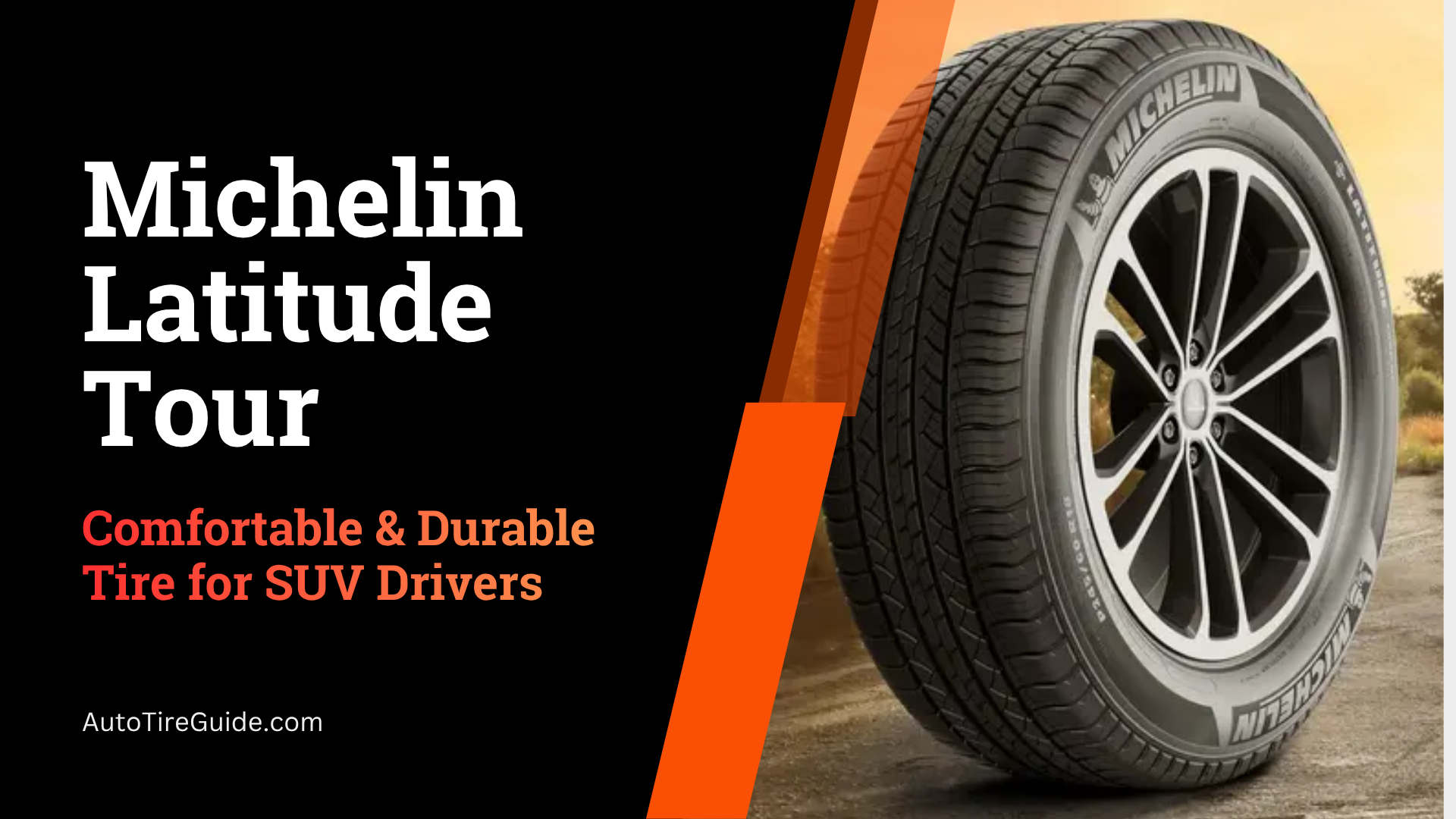
Quick Verdict
A smooth, long-lasting all-season touring tire built for daily SUV comfort and reliability. Best for SUV and crossover owners who prioritize a quiet, comfortable highway ride with solid all-season capability.
The Good
- Outstanding ride comfort and very low cabin noise, praised consistently across multiple owner platforms
- 65,000-mile treadwear warranty backed by the Michelin Promise Plan with roadside assistance
- Solid wet-road performance with wide circumferential grooves and zig-zag sipes for confident rain driving
- Low rolling resistance compound delivers real fuel savings over the tire's lifespan
- Excellent highway stability with the continuous center rib and MaxTouch Construction keeping the tire planted at speed
- Higher UTQG treadwear rating of 720 compared to the Tour HP's 440, meaning longer tread life potential
The Bad
- Poor snow and ice performance, not 3PMSF certified and not suited for heavy winter conditions
- Premium pricing makes it one of the most expensive options in the all-season SUV touring segment
- Road noise increases as tires wear, particularly without regular rotation on schedule
- A minority of owners report premature wear, often linked to inflation and alignment maintenance issues
- Limited size availability compared to some competitors, which may restrict fitment on less common SUV models
- Competitors like the Bridgestone Dueler Alenza Plus and Continental CrossContact LX25 often offer better performance at a lower price
-
Dry performance8.5
-
Wet performance8.0
-
Snow and ice6.5
-
Ride comfort and Noise9.0
-
Tread Life8.0
-
Fuel Efficiency8.0
-
Value for money7.5
If you drive an SUV and you want tires that just work day in and day out, the Michelin Latitude Tour is worth your serious attention. It was designed from the ground up for crossovers, light trucks and 4x4s and it shows in how the tire behaves over thousands of miles of real-world driving.
The bottom line is this: the Michelin Latitude Tour is one of the best all-season touring tires available for SUV owners who want a long, quiet, comfortable life out of their rubber. It is not the most aggressive tire for winter conditions and it is not the cheapest option in its class. But for the driver who values a smooth highway ride, solid wet-road confidence and an impressive tread warranty, it punches well above its weight.
This review draws on owner feedback from Michelin’s own site, TireRack, forum discussions on BobIsTheOilGuy and Reddit and structured test data from tyre testing publications. Everything you read here is grounded in real experience, not just marketing copy.
Michelin Latitude Tour: Key Specs at a Glance
| Spec | Details |
|---|---|
| Tire Type | All-Season Touring (SUV / Crossover / Light Truck) |
| Season | All-Season (M+S rated; NOT Three-Peak Mountain Snowflake certified) |
| UTQG Rating | 720 A B (Treadwear 720, Traction A, Temperature B) |
| Speed Rating | H, V, W, Y (size dependent) |
| Tread Depth | ~10/32″ to 11/32″ |
| Tread Pattern | Symmetrical, 5-rib design with zig-zag sipes |
| Tread Warranty | 6 years / 65,000 miles |
| Road Hazard / Plan | Michelin Promise Plan: 60-day satisfaction guarantee, 3-year roadside assistance, 6-year materials and workmanship warranty |
| Price Range | ~$134 to $250 per tire |
| Common Sizes | P235/55R18, 245/60R18, P265/60R18, 255/65R18, 265/65R17, and more |
| Common OE Vehicles | Chevy Equinox, Buick Enclave, Toyota RAV4, Honda Pilot, Ford Escape, and similar SUVs |
Note: The mileage warranty is reduced by half if front and rear tires differ in size. UTQG ratings do not apply to light truck sized tires per government standards.
Michelin Latitude Tour: Tire Technology and Construction
Understanding how a tire is built tells you a lot about how it will perform in the real world. The Michelin Latitude Tour uses a combination of proprietary technologies that work together to deliver its signature comfort, durability and efficiency.
MaxTouch Construction
Michelin’s MaxTouch Construction is the foundation of this tire’s performance. It optimizes the shape of the contact patch so more of the tread surface stays in contact with the road at any given moment.
This does three things well: it improves traction, it shortens braking distances and it spreads wear more evenly across the tread face. The result is a tire that grips better and lasts longer than it would with a conventional construction approach.
Low Rolling Resistance Compound
The Latitude Tour uses a specially formulated silica-based tread compound engineered to reduce the energy lost as the tire rolls. Less energy lost to heat and friction means your engine works less hard to maintain speed.
Michelin estimates this compound can save drivers approximately 82 gallons of fuel over the life of the tire compared to a comparable competitor. Over 65,000 miles that adds up to meaningful real-world savings at the pump.
Symmetrical 5-Rib Tread Design
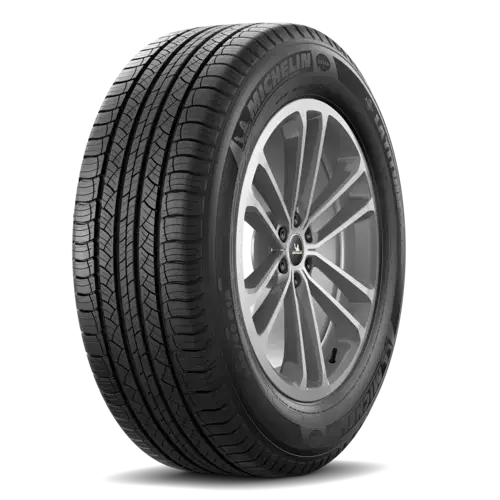
The tread features five continuous ribs running around the circumference of the tire with a solid center rib for straight-line stability. The outer ribs are designed to handle cornering forces and channel water away from the contact patch efficiently.
The zig-zag sipes cut into each tread block add hundreds of additional biting edges. These help the tire maintain grip on wet roads, light snow and cold pavement where a less sipe-dense tire would struggle.
Variable Pitch Tread Pattern
One of the most underappreciated features of the Latitude Tour is its variable pitch tread pattern. Michelin engineers the size and spacing of tread blocks to vary around the tire’s circumference in a calculated sequence.
This breaks up the repeating noise frequencies that cause the droning hum most drivers associate with older or lower-quality all-season tires. The result is a noticeably quieter cabin on highways which is one of the most praised qualities of this tire across owner reviews.
Internal Construction and Carcass
The Latitude Tour uses a single-ply polyester cord carcass for its internal structure, which keeps the tire light without sacrificing strength. Two high-tensile steel belts sit above the carcass and are reinforced with a spiral-wound nylon cap ply.
The nylon cap ply holds the steel belts in shape at high speeds improving high-speed stability and helping the tire maintain its contact patch geometry even under load. This construction is common in premium touring tires and is a key reason the Latitude Tour feels planted and composed at highway speeds.
Michelin Latitude Tour Performance Breakdown
This is where it matters most. Let’s go through every performance category based on what real drivers and reviewers have reported.
Dry Performance
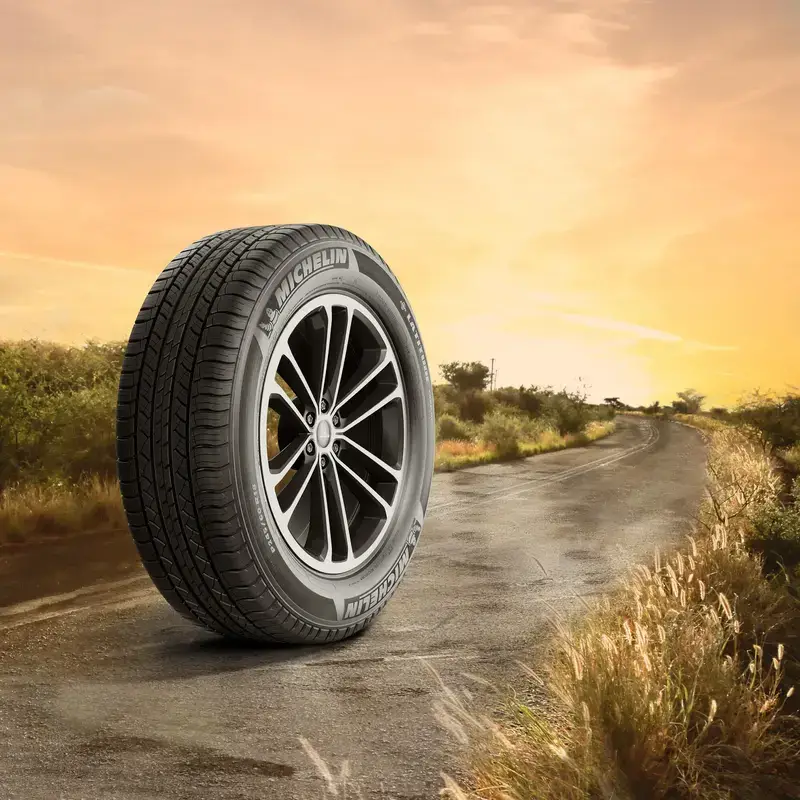
On dry roads, the Michelin Latitude Tour handles with confidence. Its symmetrical 5-rib tread pattern, combined with a continuous center rib, delivers predictable braking and a stable feel at highway speeds. You get solid on-center steering response and a planted sensation on straight roads.
Michelin uses what it calls MaxTouch Construction which maximizes the contact patch between the tire and the road surface. This improves traction and distributes wear more evenly across the tread. Forum users on BobIsTheOilGuy describe the tire as feeling “very stable at highway speeds” on their Buick Enclaves and Chevy Equinoxes.
Worth noting: this tire uses a low rolling resistance compound to support fuel efficiency which slightly softens outright dry grip compared to a performance-oriented tire. In everyday driving you will never notice the difference. For an SUV touring tire, this is the right trade-off.
Wet Performance
Wet-road capability is one of the Latitude Tour’s strongest selling points. The updated version delivers approximately 5% shorter braking distances in the rain compared to its predecessor, according to Michelin’s internal testing data. That is a meaningful real-world improvement.
Wide circumferential grooves channel water away from the contact patch quickly, reducing the risk of hydroplaning. The zig-zag sipe design adds biting edges that grip wet pavement from multiple angles. Owners consistently praise the tire’s rain performance and it is one of the most frequently mentioned positives across Michelin’s review page.
A small minority of owners have noted slightly reduced wet confidence as the tires approach the wear indicators. Keeping tires properly inflated and rotating on schedule goes a long way toward maintaining wet-weather performance throughout the tire’s life.
Snow and Ice Performance
This is where the Michelin Latitude Tour is honest about its limits. It is not a winter tire. It does not carry the Three-Peak Mountain Snowflake (3PMSF) symbol, which is the standard for tires certified for severe winter conditions.
On light snow coverage of about one inch or less, the tire performs well thanks to its heavy sipe density. Multiple owners report feeling confident on lightly dusted roads and cold dry pavement. However, when snow depth increases or roads turn to ice, the Latitude Tour begins to show its limits.
If you live in a region with long, snowy winters, this is not the tire to rely on alone. For drivers in mild-winter areas who encounter only occasional snow, the Latitude Tour handles it better than many all-season competitors without the snowflake symbol. Think of it as a strong fair-weather and light-snow tire, not a winter specialist.
Ride Comfort and Noise
This is the Latitude Tour’s defining strength. Ride comfort is exceptional for a truck and SUV tire. Michelin’s engineers clearly prioritized absorbing road imperfections and it shows. The tire irons out bumps and road joints on rough pavement in a way that makes your cabin feel noticeably quieter and smoother.
Road noise is minimal, especially on smooth highway surfaces. Owners on Michelin’s review pages regularly use words like “whisper quiet” and describe the ride as “smooth as glass.” The tire uses a variable pitch tread design that offsets noise frequencies, preventing the droning hum that irritates drivers over long highway stretches.
Some owners do report a slight increase in road noise as the tires wear past the halfway point, which is normal for any tire. Consistent rotation every 5,000 to 7,000 miles keeps wear even and maintains that quiet character for as long as possible.
Tread Life
The Michelin Latitude Tour comes backed by a 65,000-mile treadwear warranty and its UTQG treadwear rating of 720 is notably higher than the HP variant’s 440, reflecting a harder and more durable compound. Many owners report reaching or even exceeding the 65,000-mile mark with proper maintenance.
One reviewer on Michelin’s site reported replacing their set at 67,000 miles after keeping them properly rotated. A BobIsTheOilGuy user noted his Buick Enclave set was “on track to easily hit 60,000 miles” with even, consistent wear at the 30,000-mile mark.
A notable minority of owners have reported premature wear, sometimes as early as 25,000 to 30,000 miles. In most of these cases, the vehicle was running misaligned wheels or significantly underinflated tires. A few cases involved dry rot on vehicles parked for extended periods in harsh climates. For most drivers who keep up with basic tire maintenance, tread life is very good for the price and category.
Fuel Efficiency
The Latitude Tour uses a low rolling resistance compound and Michelin estimates it can save drivers approximately 82 gallons of fuel over the life of the tire compared to a comparable competitor. At current fuel prices, that works out to roughly $300 in fuel savings over the tire’s full lifespan.
This is not something you will feel with your foot on the gas pedal but it adds up meaningfully over 65,000 miles, especially for drivers with longer commutes or regular road trip usage. The lightweight single-ply construction also contributes to this efficiency by reducing the energy wasted in moving the tire’s own mass.
Value for Money
The Michelin Latitude Tour is not a budget tire. At $134 to $250 per tire, it sits firmly in the premium tier and is one of the more expensive all-season SUV touring tires in its segment. That price gap is real and deserves honest scrutiny.
However, value is not just about the sticker price. The 65,000-mile warranty, the Michelin Promise Plan benefits, the fuel savings over the tire’s life, and consistently high owner satisfaction all contribute to real-world value. When you spread the cost across 65,000 miles, the per-mile cost becomes genuinely competitive.
It is a premium product at a premium price. But owners who commit to it, and maintain it properly, rarely regret it.
Who Should Buy the Michelin Latitude Tour?
1. The Highway Commuter
If you put 15,000 to 20,000 miles a year on a crossover or mid-size SUV and most of that driving happens on highways and well-maintained roads, this tire is almost custom-made for you. The quiet ride and long tread life will serve you extremely well and the fuel savings will quietly offset some of the higher upfront cost over time.
2. The Family SUV Driver in a Mild Climate
If you live in a region that sees rain more often than snow and your SUV is your primary family vehicle, the Latitude Tour gives you the wet-weather confidence and cabin comfort that makes long road trips noticeably more enjoyable. Drivers in the US South, Pacific coast states and similar mild-climate regions consistently rank this among their favorite tires.
3. The Driver Who Hates Changing Tires Constantly
If you have been burned by budget tires that wore out in 25,000 miles and sent you back to the tire shop sooner than expected, the Latitude Tour is a direct answer to that frustration. Its 65,000-mile warranty and durable compound are made for drivers who want to buy once and drive long without thinking about it again.
Alternatives to the Michelin Latitude Tour
If you are on the fence, here are three tires worth comparing before you decide.
1. Bridgestone Dueler H/L Alenza Plus (~$140 to $200 per tire)
The Alenza Plus is the most direct competition and in some ways it beats the Michelin Latitude Tour on paper. It comes with an 80,000-mile treadwear warranty compared to 65,000 and multiple independent tire tests rank it very highly for dry and wet performance. It also tends to come in at a lower price point in most sizes. If tread life is your top priority and the price difference matters to you, the Alenza Plus deserves a close look.
Best for: Drivers who want the longest possible tread life and strong overall performance, often at a lower price than Michelin.
2. Continental CrossContact LX25 (~$130 to $195 per tire)
The Continental CrossContact LX25 is frequently cited as one of the best-performing all-season SUV tires available. It offers a 70,000-mile treadwear warranty, often outperforms the Latitude Tour in dry and wet handling tests and is typically priced below Michelin. If you are open to stepping outside the Michelin brand, this tire gives you a lot of tire for the money.
Best for: Drivers who want top-tier dry and wet handling combined with strong tread life, often at a lower cost than the Latitude Tour.
3. Michelin Defender LTX M/S (~$160 to $300 per tire)
If you want to stay within the Michelin family but need a tire that handles snow and ice more capably, the Defender LTX M/S is worth considering. It carries a higher treadwear rating, slightly better winter performance than the Latitude Tour and maintains that same smooth, quiet Michelin ride quality. It comes with a 70,000-mile warranty and broader size availability across more SUV fitments.
Best for: Michelin loyalists who want better winter capability without switching brands.
Michelin Latitude Tour: Final Rating and Verdict
The Michelin Latitude Tour review tells a consistent story: this is a well-engineered, driver-friendly all-season tire that delivers a quiet, comfortable and long-lasting experience for SUV owners who do most of their driving on paved roads. It is not the cheapest option in its class and it will not get you through a serious winter storm with confidence. But for the millions of SUV drivers who want a reliable, premium tire they can set and forget for 60,000 to 65,000 miles, it remains one of the most trusted options on the market.
If you live in an area with mild seasons, do a lot of highway driving and want the peace of mind that comes with Michelin’s warranty and brand reputation, the Michelin Latitude Tour is a very strong choice. Buy it, rotate it regularly, keep it properly inflated and it will reward you with years of smooth, quiet, worry-free driving.
Buy it if: you want a quiet, long-lasting premium tire for year-round mild-weather SUV driving and value a strong warranty. Look elsewhere if: you live somewhere with real winters, want the absolute best value per dollar or need a tire with a 3PMSF snow rating.
Frequently Asked Questions: Michelin Latitude Tour
How many miles does the Michelin Latitude Tour last?
Michelin warrants the Latitude Tour for 65,000 miles. Real-world results are generally positive, with many owners reaching or exceeding that mark when they rotate every 5,000 to 7,000 miles and maintain correct tire pressure. A minority of owners report earlier wear, most commonly linked to alignment issues or underinflation rather than a defect in the tire itself.
Is the Michelin Latitude Tour good in snow?
It handles light snow reasonably well thanks to its dense sipe design and zig-zag tread blocks. For roads with less than an inch of snow, most owners feel comfortable. However, it does not carry the Three-Peak Mountain Snowflake (3PMSF) rating, meaning it is not certified for severe winter conditions. Drivers who regularly encounter heavy snow or icy roads should pair this tire with a dedicated winter tire set for those months.
What is the difference between the Michelin Latitude Tour and the Latitude Tour HP?
The standard Latitude Tour is tuned for long-distance comfort and durability. It has a higher UTQG treadwear rating of 720 compared to 440 for the HP, a longer 65,000-mile warranty versus 55,000 or 45,000 miles for the HP and slightly greater tread depth. The Tour HP is designed for performance-oriented SUVs and offers grippier dry handling but wears faster and costs more per tire. For daily driving comfort and longevity, the standard Latitude Tour is the better choice.
What SUVs does the Michelin Latitude Tour fit?
The Latitude Tour fits a wide range of crossovers, light trucks and SUVs. Common fitments include the Chevrolet Equinox, Buick Enclave, Toyota RAV4, Honda Pilot, Ford Escape and many more. Always confirm your specific size using your vehicle’s door sticker or owner’s manual before purchasing to ensure the correct fitment.
How does the Michelin Latitude Tour compare to the Bridgestone Dueler Alenza Plus?
The Bridgestone Dueler Alenza Plus outperforms the Latitude Tour in several key areas, including tread life (80,000-mile warranty vs. 65,000) and overall performance rankings in independent tests. It is also typically priced lower than the Michelin in most sizes. If tread life and cost efficiency are your top priorities, the Alenza Plus is worth serious consideration. The Latitude Tour edges ahead on ride comfort and noise suppression, where Michelin’s refinement is hard to beat.