
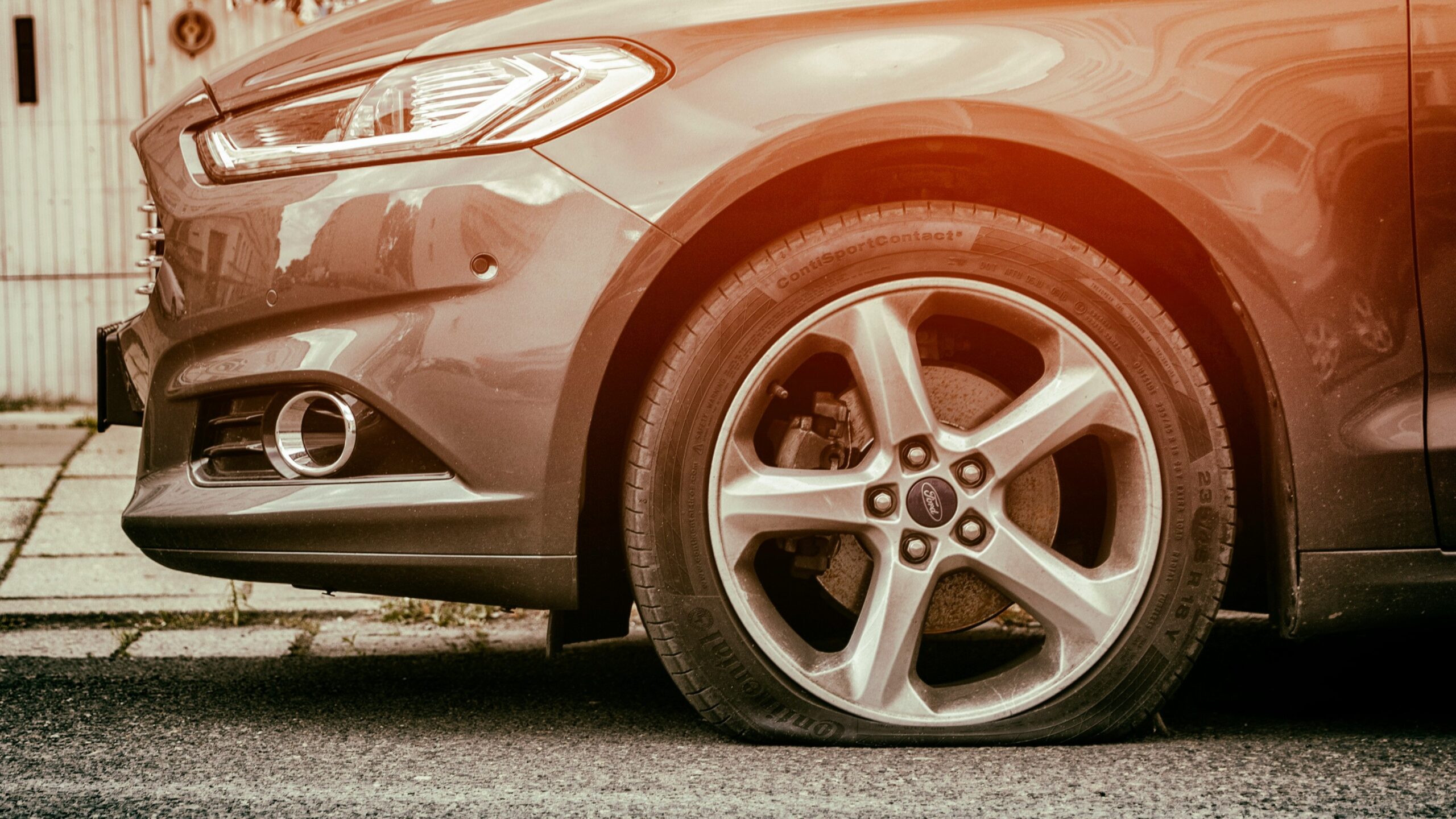
You feel a thump. The car pulls to one side. Or your dash lights up with a low-pressure warning. Now you’re stuck asking the big question: what happens if you drive on a flat tire? The short answer is, a lot happens, and it happens fast. Once a tire loses its air, it can no longer hold up your car, so the wheel takes over that job. In just a few hundred feet, a flat tire can turn a simple $20 patch job into a wrecked wheel and a $600 repair bill. Here’s a full breakdown of exactly what happens to your tire, your wheel, and your car when you keep driving on a flat.
How to Tell If Your Tire Is Actually Flat
Not every soft tire is a true flat, and knowing the difference helps you react the right way.
- Low tire: Under-inflated but still holding its shape. You can usually drive slowly to the nearest gas station and add air.
- Flat tire: Little to no air left. It looks slumped or squashed at the bottom, and the car may pull hard to one side.
Watch for these warning signs while driving:
- A thumping or flapping sound coming from one wheel
- The steering wheel feels heavy or pulls to one side
- Your tire pressure warning light turns on
- The car rides low or bounces more than usual
If you notice any of this, treat it as a flat and get off the road. Don’t wait around to find out for sure.
What Happens If You Drive on a Flat Tire, Stage-by-Stage
Driving on a flat tire is not one single event. It’s a chain reaction, and every extra second behind the wheel makes it worse. Here’s how the damage actually unfolds.
1. The Tire Folds, Overheats, and Tears Itself Apart
A tire needs air pressure to hold its round shape and support the weight of your car. The moment that air is gone, the sidewalls collapse inward and the tire flattens under the car’s weight. As you keep driving, the sidewall folds and unfolds with every turn of the wheel, and that constant flexing builds up heat fast. Rubber that gets too hot starts to break down from the inside out. The sidewall can rip open, chunks of tread can peel away, and the inner liner can shred completely. Once the sidewall tears, there is no fixing that tire. What could have been a simple plug for a small puncture turns into a total loss, and you’re now buying a brand new tire instead of a patch.
2. The Wheel Starts Hitting the Road Directly
This is the part most drivers don’t picture. Once the tire can no longer cushion the ride, the metal wheel takes over that job, and it was never built for it. The rim starts grinding, scraping, and pounding against the pavement with every rotation. Within a short distance, you can bend the rim, crack it, or gouge deep marks into the metal. A bent or cracked wheel is not a cheap fix, and on some cars a damaged rim means the whole wheel has to be replaced.
3. You Start Losing Control of the Car
A flat tire can’t grip the road the way a properly inflated one can. Your steering feels loose or heavy, your stopping distance gets longer, and the car may pull hard toward the side with the flat. This gets more dangerous the faster you’re going, and it’s especially risky in rain, at night, or on a highway with other traffic close by. Losing control at speed is how a flat tire turns into a crash.
4. Your Suspension and Alignment Take the Hit
The damage doesn’t stop at the tire and wheel. Driving on a flat forces the car to ride unevenly, and that uneven ride puts extra strain on your shocks, struts, and suspension components. Your alignment can get knocked out of place too. That’s why some drivers who kept driving on a flat end up with a car that pulls to one side or vibrates at highway speed long after the tire itself is fixed.
5. In the Worst Cases, You Get a Blowout
If you keep driving long enough on a completely flat tire, the heat and friction can build up to the point where the tire bursts apart while you’re still moving. A blowout at speed can send rubber flying, cause a sudden loss of control, and put you and everyone driving near you at risk. This is the outcome every step above is building toward if the flat isn’t addressed.
Put together, this is what happens if you drive on a flat tire: a chain of damage that moves from the tire, to the wheel, to the suspension, and in bad cases, to a full loss of control. The good news is that stopping early breaks that chain before it gets expensive or dangerous.
Can You Drive on a Flat Tire in an Emergency?
Yes, but only far enough to reach safety. If you’re stuck in a live lane of traffic, on a blind curve, or somewhere dangerous to stop, it’s okay to move the car a short distance. That’s not the same as driving on a flat tire to reach your actual destination.
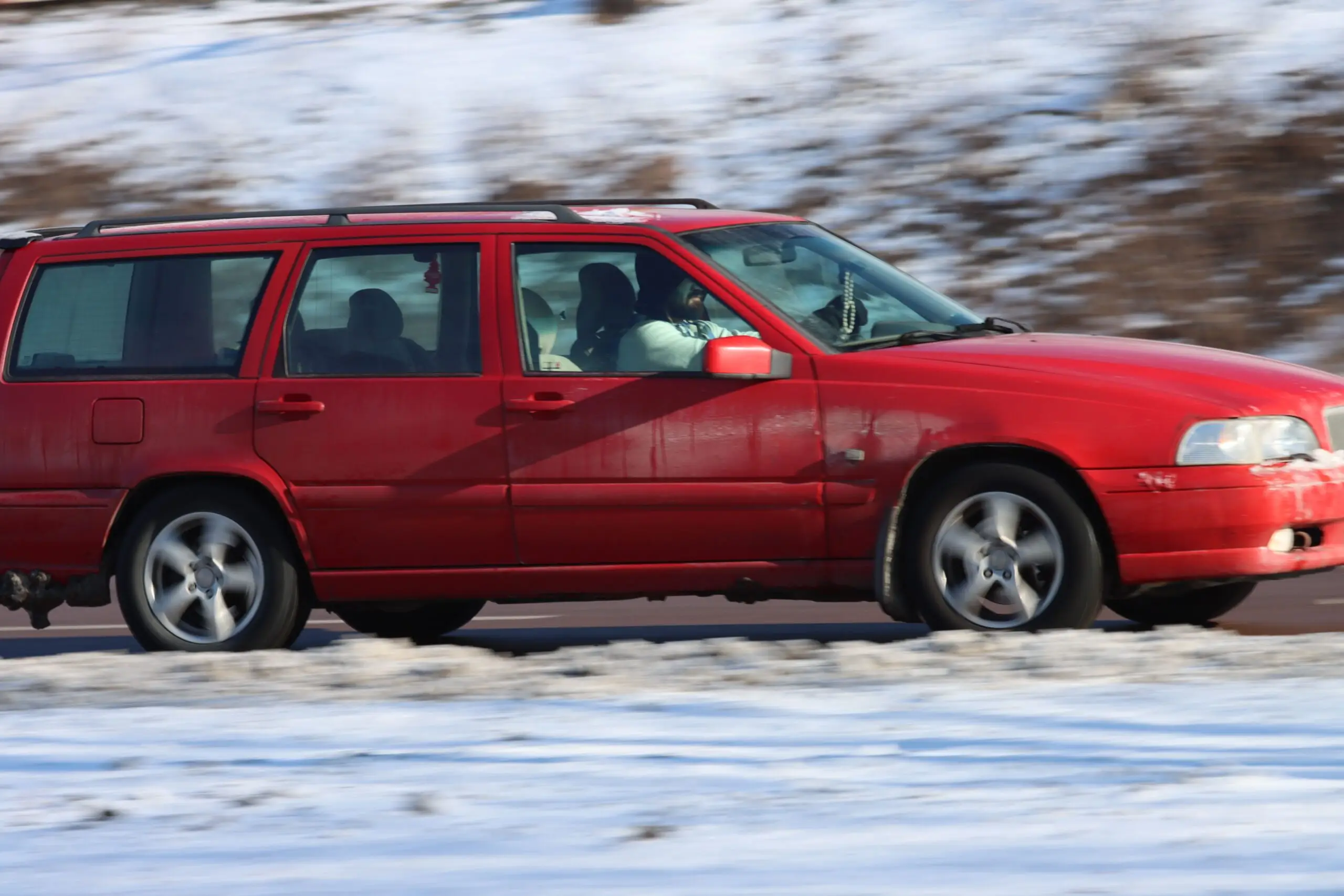
If you have to move the car:
- Go as slow as possible, ideally under 15 to 20 mph
- Keep the wheels pointed straight ahead
- Avoid curbs, potholes, and sharp turns
- Only go as far as the nearest shoulder, driveway, or parking lot
Once you’re out of danger, stop moving. Every extra foot adds to the damage described above.
How Long Can You Drive on a Flat Tire?
This is one of the most common questions people search, and for good reason. The honest answer is not very long at all. On a standard tire, most experts agree you can go a few hundred feet, maybe half a mile at most, before real damage sets in on the wheel and sidewall. Some drivers have gone farther without wrecking the wheel, but that’s luck, not something to plan around.
Speed matters just as much as distance. Staying under 20 mph limits how much heat builds up and how hard the rim slams into the road. The moment you’re safely stopped, get out and check things, or call for help.
What About Run Flat Tires?
Run flat tires are built differently from standard tires. They have reinforced sidewalls that can support the car’s weight for a short time, even with zero air pressure. Most are rated for around 50 miles at speeds up to 50 mph, though that number drops if the car is heavily loaded or the road is rough.
A warning light on a run flat tire is not a green light to keep driving as usual. It just gives you a short window to reach a shop safely instead of pulling over on a busy shoulder. You can check your tire’s sidewall for markings like RFT, SSR, ROF, EMT, or ZP to see if you have run flats on your car.
What to Do the Moment You Get a Flat Tire
- Ease off the gas and grip the wheel steady. Do not slam the brakes.
- Pull over slowly to the nearest safe, flat spot away from traffic.
- Turn on your hazard lights so other drivers can see you.
- Check the tire if it’s safe to get out. Look for nails, cuts, or a bulging sidewall.
- Decide your next move: swap in your spare if you know how, use a sealant kit for a short-term fix, or call roadside assistance.
Staying calm and moving through these steps keeps everyone safer, and it gives your tire the best chance of being saved instead of replaced.
Can a Tire Be Fixed After You Drive on It Flat?
Sometimes, yes. It depends on how far you drove and where the damage is. If you stopped quickly and the puncture is a small hole in the tread, a shop can usually patch it from the inside. But once the sidewall folds, tears, or gets pinched between the rim and the road, the tire is done for good. Sidewalls can’t be safely patched, no matter how small the damage looks from the outside.
The safest move is to have a technician pull the tire off the rim and check it from the inside. That’s the only real way to know if it’s repairable or if you need a new tire.
Frequently Asked Questions
Can you drive on a flat tire?
You can move a very short distance if you’re in danger, but you shouldn’t drive on a flat tire any farther than needed to reach a safe spot. Standard tires can suffer permanent damage in less than a mile.
How long can I drive on a flat tire?
On a standard tire, you have maybe a few hundred feet before the wheel and sidewall start taking real damage. Run flat tires give you up to about 50 miles at reduced speed.
Can you drive on a flat tire in an emergency?
Yes, if staying where you are is more dangerous than moving. Drive slowly and only far enough to reach safety, then stop and call for help.
Will driving on a flat tire damage my rim?
Yes. Without air to cushion it, the rim takes the full weight of the car and can bend, crack, or gouge against the road.
Can a tire be repaired after being driven on flat?
Sometimes. If the sidewall isn’t damaged and you stopped quickly, a patch may work. Once the sidewall is torn or crushed, the tire has to be replaced.
So What Happens If You Drive on a Flat Tire? The Bottom Line
What happens if you drive on a flat tire comes down to one thing: the longer you wait, the more it costs you. A tire that could have been patched for a small fee turns into a full tire and wheel replacement, and sometimes a suspension repair on top of that. The moment you feel or hear a flat, pull over as soon as it’s safe, keep your speed low, and get it checked before you drive any farther. Your tires, your wheels, and your wallet will thank you.